Is Your AC Ready for 100-Degree Days in Roseville?
Is Your AC Ready for 100-Degree Days in Roseville?: A Local Ray O. Cook Technician’s Checklist
If you have lived through a Roseville summer, you know how quickly temperatures climb past 100 degrees and stay there.
The problem is that most air conditioners do not fail randomly. They fail when they are pushed the hardest, and that usually happens during the first real heatwave of the season. Now that it’s almost July, we have seen some heat, but we haven’t seen the worst of it yet.
At Ray O. Cook Heating and Air Conditioning, we see the same pattern every year across Roseville, Folsom, Granite Bay, and El Dorado Hills. Systems that seemed fine in spring can no longer keep up.
Before the next heat spike hits, here is a practical, experienced, technician-approved checklist to make sure your home’s AC is ready.
1. Check Your Home Air Filter, Seriously.
This is the simplest thing you can do and one of the most overlooked.
A clogged air filter restricts airflow, which forces your HVAC system to work harder and run longer. In extreme heat, that extra strain can lead to breakdowns.
What to do:
- Replace standard filters every one to three months.
- Check more often if you have pets or live in dusty areas like parts of Loomis or Lincoln.
- Hold it up to the light. If you cannot see through it, it is time to replace it.
Restricted airflow is one of the top causes of preventable AC issues we see during Sacramento summers.
2. Make Sure Your Outdoor Unit Can Breathe
Your outdoor condenser needs proper airflow to release heat. When it is blocked, your system loses efficiency quickly, especially in triple-digit temperatures.
Check for:
- Leaves, debris, or grass clippings around the unit.
- Overgrown shrubs within two to three feet.
- Dirt buildup on the coils.
A quick rinse with a hose, not a pressure washer, can help. If the coils are heavily clogged, a professional cleaning is the better option. Pro tip: Join a seasonal HVAC maintenance club to get these things taken care of for you.
3. Test Your System Before the Heatwave Hits
Do not wait until it is 104 degrees to find out something is wrong.
Turn your AC on early in the day and pay attention to how it performs:
- How quickly it cools your home?
- Whether airflow feels consistent from room to room.
- Any unusual noises or smells.
- If something feels off now, it will only get worse when the system is under full load.
4. Check Your Thermostat Settings and Performance
Your thermostat controls everything, but it is often ignored.
Make sure:
- It is set to cool and is functioning properly.
- The temperature reading matches how your home actually feels.
- Batteries, if applicable, are fresh.
For homeowners in larger properties around Roseville, Granite Bay, or El Dorado Hills, this is also where zoning or calibration issues often show up.
5. Look for Warning Signs of AC Trouble
Your system will usually give you signals before it fails.
Watch for:
- Warm air is coming from the vents.
- Weak airflow.
- AC is running constantly without reaching the set temperature.
- Higher-than-normal energy bills.
- Short cycling, where the system turns on and off frequently.
These are common signs we see before a breakdown, especially during Sacramento heatwaves.
6. Inspect Your Vents and Registers
Blocked or closed vents can throw off your entire system.
Walk through your home and check:
- That vents are open and unobstructed by furniture or rugs.
- Dust buildup that could affect airflow.
- Uneven cooling between rooms.
- Inconsistent temperatures are often tied to airflow issues, not just the AC unit itself.
7. Do Not Ignore Your System’s Age
If your AC is over ten to fifteen years old, it may struggle to keep up with extreme heat, even if it is still running.
Older systems:
- Lose efficiency over time.
- Require more frequent AC repairs.
- Have a harder time maintaining consistent indoor temperatures.
- This does not mean you need to replace it today, but it does mean you should be proactive before peak summer hits.
8. Schedule a Professional HVAC Tune-Up
There is only so much you can check on your own.
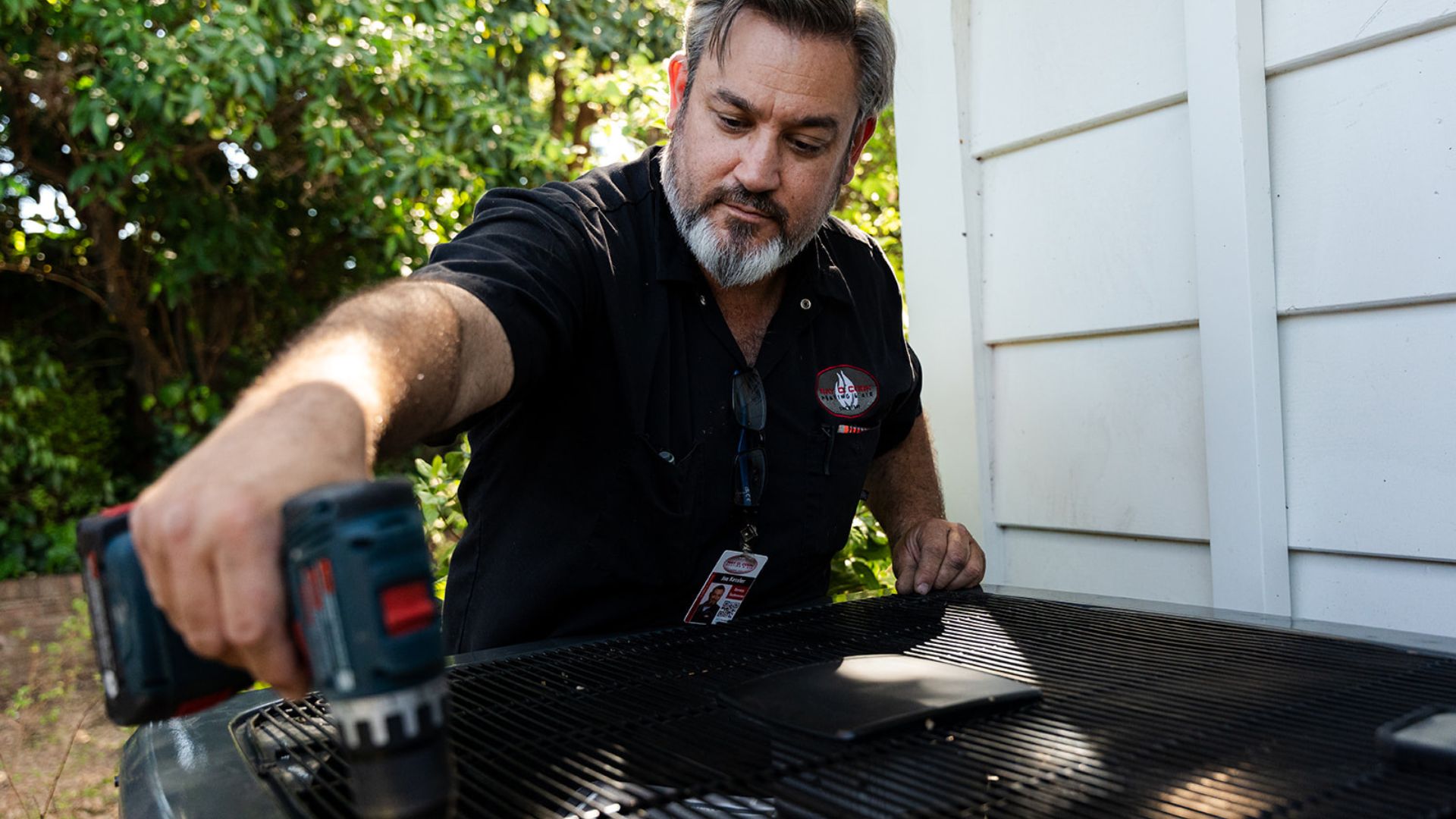
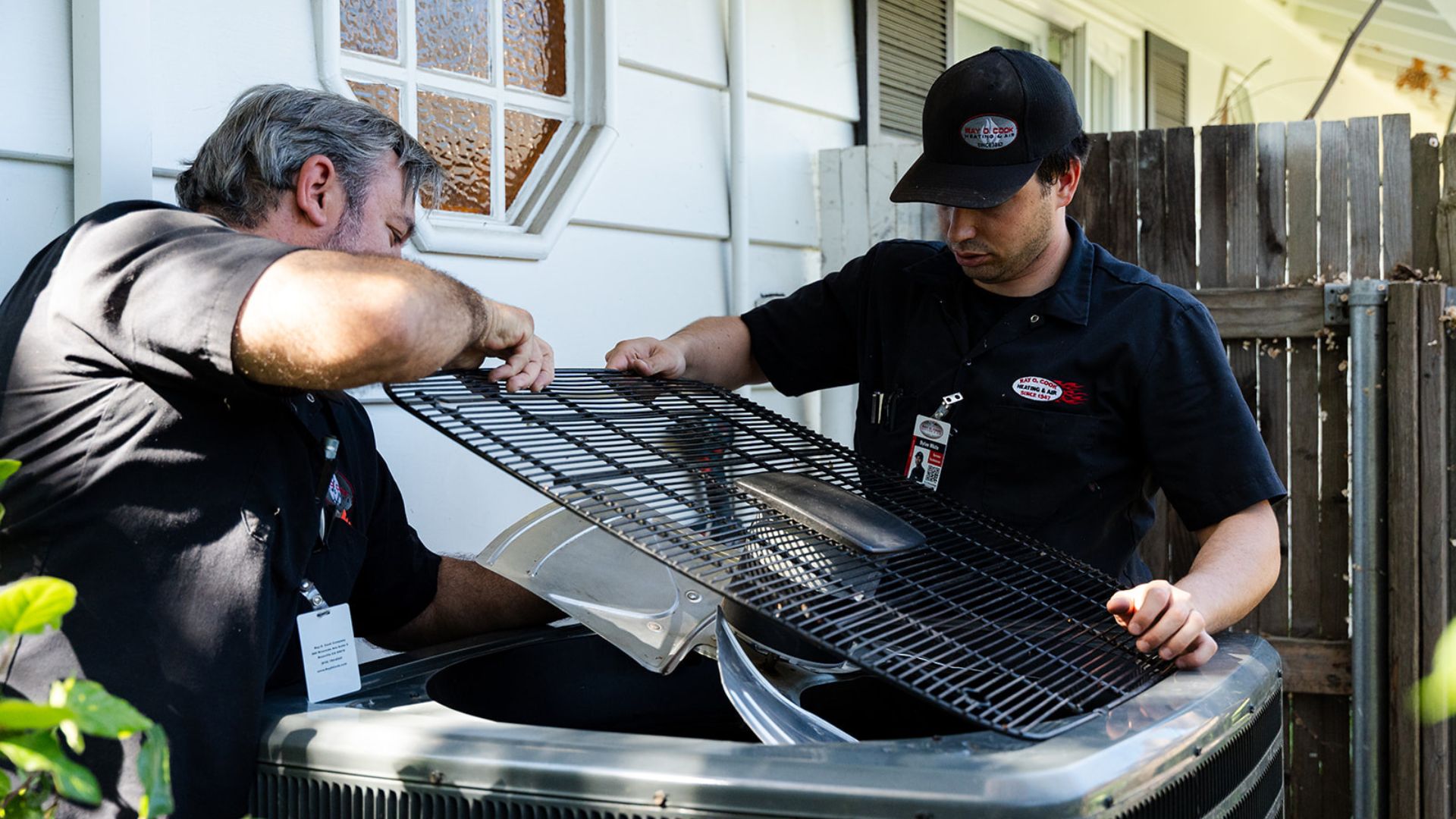
A professional AC tune-up typically includes:
- Full system inspection.
- Electrical component testing.
- Refrigerant level check.
- Coil and component cleaning.
- Performance testing under load.
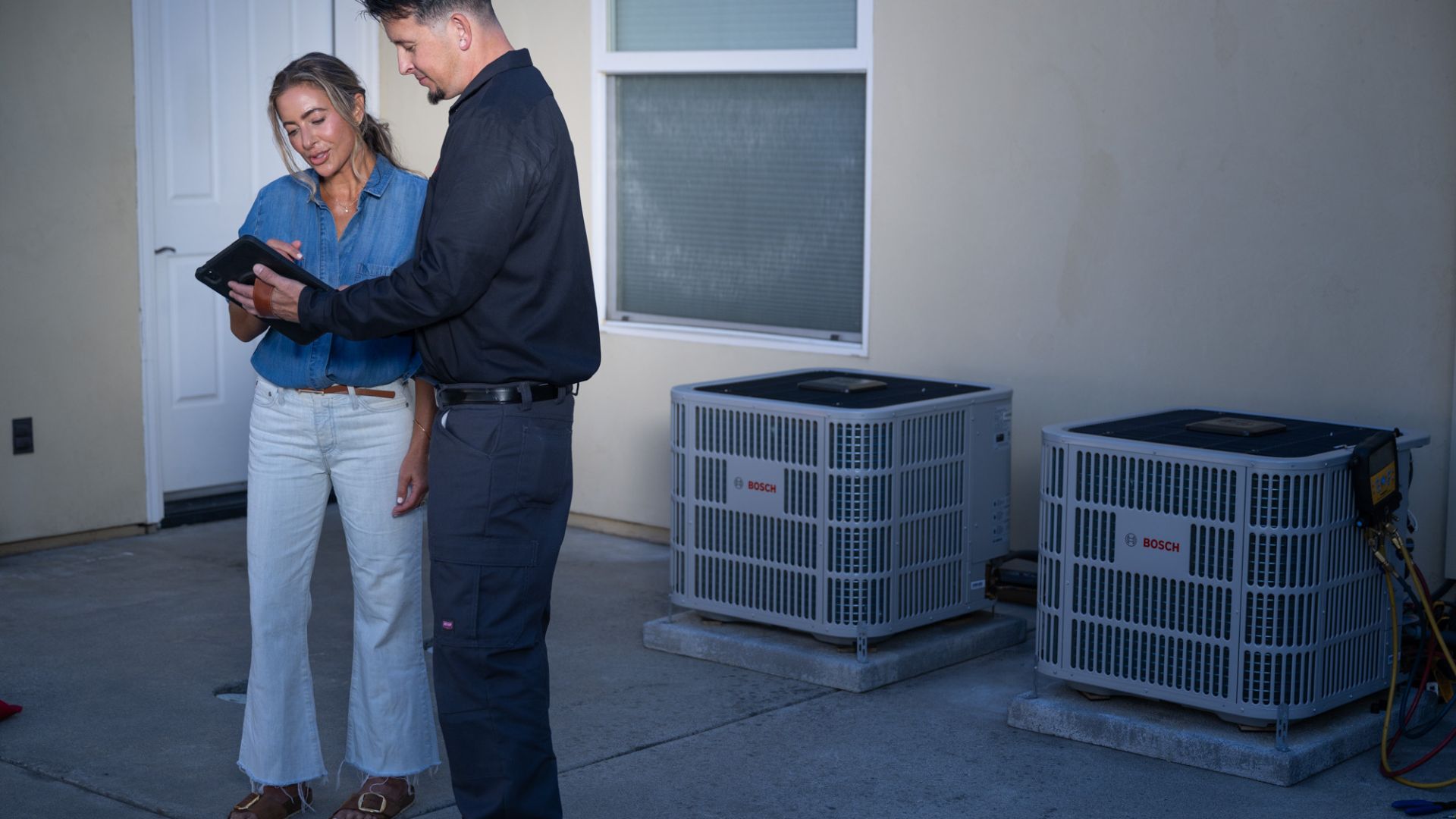
At Ray O. Cook Heating and Air Conditioning, this is where we often catch small issues before they turn into major repairs during a 100-degree week. Our digital assessment tools allow us to give you a graded report of your system’s health, giving you peace of mind and a no-breakdown guarantee.
Why This Matters in Sacramento
Sacramento is not just hot; it stays hot for extended periods.
That puts continuous strain on your system, especially in areas like Roseville, Rocklin, and Rancho Cordova, where daytime heat lingers well into the evening. When your AC runs for hours without a break, even minor issues can escalate quickly. That is why preparation matters.
When It Is Time to Call a Professional
If your system is not cooling evenly, struggles to keep up during the day, or is making unusual noises, it is better to address it now than to wait for a full breakdown.
We offer both in-home diagnostics and a simple online quote tool if you are starting to explore repair or replacement options. There is no pressure, just clear information so you can make the right call.
A Local HVAC Company You Can Trust.
We have been serving Sacramento-area homeowners since 1947. Through every heatwave, the goal has stayed the same: keep homes comfortable with honest, reliable service.
No upsells, no shortcuts, just the kind of work you would expect from a company that plans to be here for the long run.
If you are not sure your AC is ready for the next 100-degree stretch, now is the time to check.