Signs It’s Time to Upgrade Your Heating System
- December 7, 2025
- 7 minutes
Upgrading your home’s heating system is a decision that can significantly impact your comfort, energy bills, and overall quality of life. Many homeowners in Roseville, CA, may not realize how an outdated or malfunctioning system is negatively affecting their homes. From increasing energy bills to compromised air quality, recognizing when it’s time to upgrade your heating system is crucial. Here, we’ll outline the signs indicating that your heating system may be past its prime and discuss the benefits of making that important shift toward a more efficient model. With the right information, you can make informed decisions that lead to better energy savings and enhanced home comfort.
High Energy Bills Despite Regular Use
If you’ve noticed a continual rise in your energy bills without any corresponding increase in usage, your heating system could be to blame. Older systems often become less efficient over time, drawing more power to produce the same amount of heat due to wear and tear on its components. This inefficiency not only affects your wallet but also leads to increased energy consumption. In Roseville, CA, where diverse climates put varied demands on HVAC systems, ensuring that your heating system doesn’t consume excess energy is vital. An inefficient system often runs longer to reach the desired temperature, leading to ineffectual energy utilization and skyrocketing bills.
Inconsistent Room Temperatures
A telltale sign of an ailing heating system is when some rooms in your house are cozy and warm while others remain stubbornly chilly. This imbalance is often a direct result of an underperforming or inadequately sized unit that struggles to distribute heat evenly. It can be quite frustrating to find comfort elusive in certain areas of your home, particularly during the colder months. Room-to-room temperature fluctuations not only highlight an underlying inefficiency but also compromise your home’s overall comfort. This inconsistency is worth investigating and may prompt the consideration of a system upgrade to ensure uniform comfort throughout your house.
Constant Repairs and Maintenance Issues
When you’re consistently scheduling service calls and shelling out for repairs, it’s important to weigh these costs against the benefits of investing in a new heating system. Frequent breakdowns not only cause discomfort but are indicative of a system that may be beyond simple repairs. In Roseville, CA, businesses like Ray O. Cook Heating & Air understand that a constantly failing system not only disrupts your routine but also signals that it’s time to evaluate a replacement. Upgrading will minimize maintenance challenges and ensure reliable performance, contributing to a much more comfortable and hassle-free living experience.
Understanding Age Limitations (15+ Years)
Like most home appliances, heating systems have a finite lifespan. Typically, these systems are designed to last about 15 years. Beyond this point, they often start to show signs of wear that decrease their efficiency and reliability. If your heating system is over 15 years old, it’s probably utilizing outdated technology, which isn’t equipped to meet current standards of energy efficiency and comfort. In Roseville, CA, with its variable climate, having an updated system can make a substantial difference in managing indoor temperatures effectively.
Lack of Modern Features
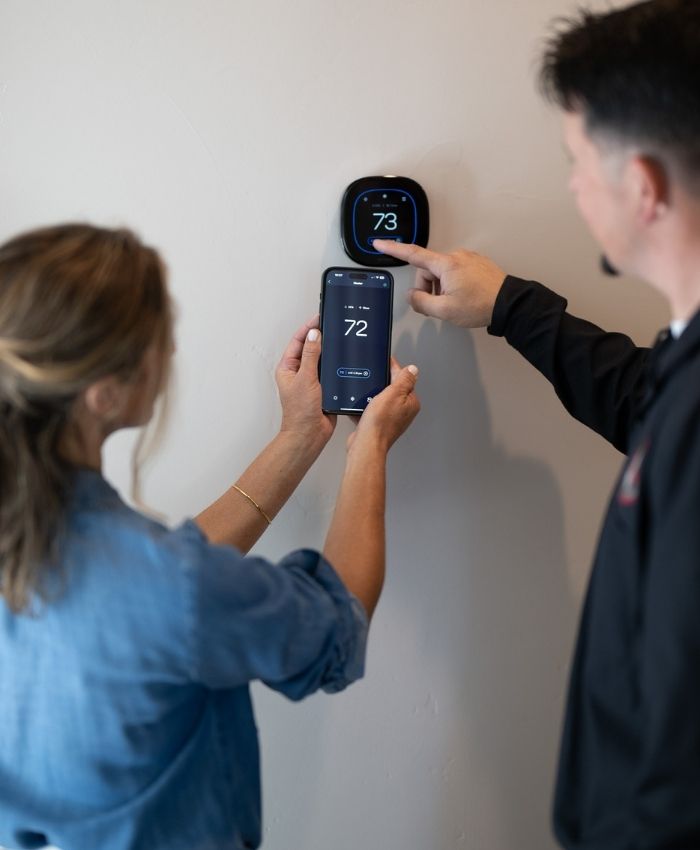
Modern heating systems come with a plethora of features designed to enhance your home’s comfort and efficiency. Innovations such as smart thermostats allow you to control temperatures more precisely and even remotely, while zoned heating provides targeted comfort in particular areas of your home without wasting energy in uninhabited spaces. Older models typically lack these features, which can limit your ability to efficiently manage your home’s climate. By upgrading, you not only improve energy consumption but also integrate convenience and control into your home heating solution, making everyday living more comfortable and efficient.
Unusual Noises and Odors
If your heating system starts emitting clanking noises or worrying odors, it’s a red flag that something is amiss. These could be indicators of mechanical issues like loose parts, wear, or even impending failure. The sounds may range from benign squeals to severe pops and bangs that are often symptomatic of deeper-set issues. Similarly, strange smells, especially those resembling burnt material, should never be ignored as they might indicate components overheating, or, in some cases, a hazardous situation like a vent leak. Addressing these symptoms with timely upgrades can prevent risks and ensure your unit operates smoothly.
Difficulty in Starting the Unit
Another common sign of a system that’s worn and in need of an upgrade is when it struggles to start. If you find yourself repeatedly trying to power the system on or needing to reset it frequently, it’s a clear indication of mechanical fatigue. These troubles can range from faulty thermostat connections to more serious internal malfunctions. Updating your heating system to a newer model can ensure that everything functions seamlessly, providing immediate comfort without the hassle or worry of a system that won’t cooperate when temperatures drop.
Carbon Monoxide Risks
Older heating systems can pose serious safety risks, including the potential for carbon monoxide leaks. This odorless, colorless gas can be lethal, making it critical for homeowners to be vigilant about any symptoms indicating a leak, such as unusual headaches or dizziness when at home. Safety should never be compromised, and an upgrade to a modern, efficient heating system equipped with advanced safety features can offer peace of mind. Having professional assessments and prompt replacements with systems that include built-in detectors and alerts can truly safeguard you and your loved ones.
Environmental and Health Considerations
With rising concerns about climate change, improving your heating system’s efficiency can significantly reduce your environmental impact. Aging systems are typically less efficient, consuming more resources and contributing higher levels of carbon emissions. By choosing to upgrade to eco-friendly models, you not only cut down on dollars spent but also support a healthier planet. For Roseville, CA residents, making these environmentally conscious updates can align with local initiatives aimed at reducing carbon footprints and help foster a more sustainable community.
Implications for Indoor Air Quality
Beyond the environmental benefits, newer heating systems often include advanced filtration systems that can improve indoor air quality. Older models might exacerbate air quality issues by circulating dust, allergens, and even mold. This can lead to a whole host of health problems, especially for sensitive individuals or those with respiratory conditions. Upgrading to a system with cutting-edge filtration and ventilation technology can significantly decrease these risks, ensuring that every breath you take within your home is cleaner and healthier. It’s an upgrade that delivers peace of mind knowing that your family’s health is considerably safeguarded.
Understanding Utility Rebates and Incentives
Making the leap to a new heating system comes with attractive financial incentives. Many utility companies offer rebates for installing energy-efficient models, alleviating some of the upfront costs and making the transition more affordable. In Roseville, CA, identifying and taking advantage of these opportunities can result in substantial savings on both the purchase and installation costs of new systems. These financial incentives, along with the increase in operational efficiency, can lead to significant financial benefits long after the initial investment.
Calculating Return on Investment (ROI)
Upgrading your heating system isn’t just about managing immediate needs—it’s a long-term investment in your home’s functionality and value. When you calculate ROI, consider reduced energy bills, fewer repairs, and increased comfort that new systems offer. These immediate financial gains contribute significantly over time, allowing homeowners to recoup their investment within a few years. Additionally, improving your home’s energy efficiency also enhances its market value, ensuring that investing in a new heating system is a smart move whether you’re planning to stay in your home for the long haul or preparing it for sale.
Value Addition to Property
Beyond the immediate savings, a modern, efficient heating system can significantly boost the overall value of your property. Potential buyers in the Roseville, CA area are increasingly looking for homes with systems that promise reliability, cost efficiency, and comfort. By upgrading, you not only make your living environment more enjoyable but also enhance your home’s marketability. It’s an investment that pays dividends in terms of both personal comfort and resale potential, making it a wise choice for any forward-thinking homeowner.
If You’re Interested In a Reliable Upgrade, Call Ray O. Cook Heating & Air
Evaluating and upgrading your heating system is essential to maintaining a comfortable, energy-efficient, and safe home environment. If you’re experiencing any of the issues discussed, or if you’re simply interested in learning more about modern heating solutions, reaching out to an experienced professional is the logical next step.
Ray O. Cook Heating & Air is committed to helping homeowners upgrade their systems with the latest technology and energy-efficient solutions. For questions or to schedule a consultation, contact us today and take the first step towards a more comfortable and economical home.
Reach out to Ray O. Cook Heating & Air by calling (916) 908-3289 or contacting us online.