Tips to Lower Your Air Conditioning Bills During the Summer

air conditioner install sacramento

Tips to Lower Your Air Conditioning Bills During the Summer

How Air Conditioning Systems Work

Air conditioning systems are marvels of modern engineering, designed to provide comfort by regulating indoor temperatures. At the heart of these systems lies the refrigeration cycle, a process that involves the continuous circulation of a refrigerant through various components such as compressors, evaporators, and condensers. Understanding these basic mechanics can help you appreciate the complexity and efficiency of your air conditioning system, as well as the importance of regular maintenance to keep it running smoothly.

Knowing the specifics of your air conditioning model is equally important for optimizing its efficiency—especially during the summer, when AC use is bound to rise. Familiarizing yourself with your unit’s specifications allows you to tailor its usage to your home’s unique needs, ensuring that you’re not overworking the system or wasting energy.

Identifying Inefficiencies in Your Air Conditioning System

Common inefficiencies often stem from simple issues such as dirty filters, which can obstruct airflow and force the system to work harder than necessary. Leaks in ductwork or refrigerant lines are another common culprit, leading to loss of cooled air and increased energy consumption. Outdated thermostats can also contribute to inefficiencies, causing the system to cycle on and off more frequently than needed.

By identifying and addressing these inefficiencies early, you can reduce energy consumption, lower your bills, and extend the life of your air conditioning system.

Setting the Right Temperature In Your Home

During the hotter months, it’s recommended to set your thermostat to around 78 degrees Fahrenheit when you’re home and awake. This temperature strikes a balance between comfort and energy efficiency. When you’re away from home or asleep, consider setting the thermostat a few degrees higher to maximize savings. According to energy experts, each degree you raise the thermostat can save you up to 3% on cooling costs.

Utilizing Programmable and Smart Thermostats

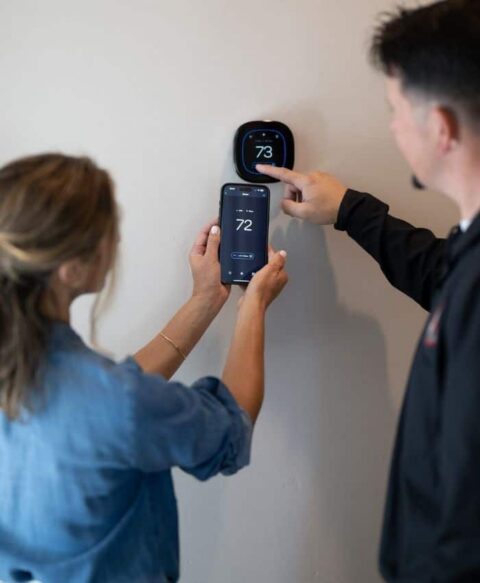
Programmable and smart thermostats allow you to set cooling schedules that align with your daily routine, ensuring your home is only cooled when necessary. Smart thermostats take this a step further by learning your habits over time and making automatic adjustments to optimize efficiency. Many smart thermostats also offer mobile apps, allowing you to adjust settings remotely and receive energy usage reports.

Improving Home Insulation

Insulation acts as a barrier, preventing the transfer of heat between the inside and outside of your home. Key areas to focus on include walls, attics, and windows, as these are common sources of heat gain. Upgrading your home’s insulation can lead to significant energy savings and a more comfortable living space.

Using Fans and Ventilation Wisely

Ceiling fans create a wind-chill effect that can make a room feel cooler, allowing you to raise the thermostat setting without sacrificing comfort. Taking advantage of natural ventilation by opening windows during cooler parts of the day can help circulate fresh air and reduce the need for air conditioning.

Routine Maintenance Tasks

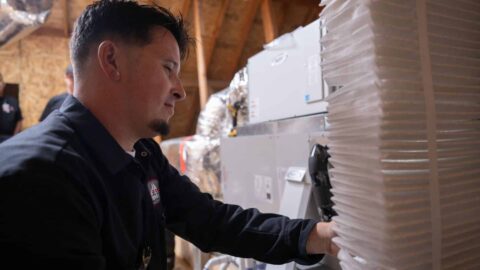
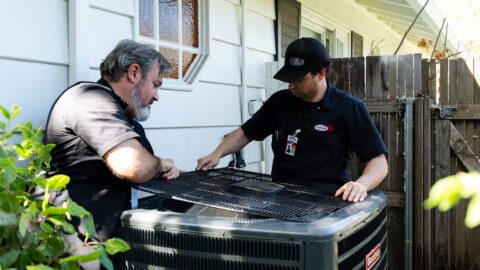
Regular maintenance is essential for keeping your air conditioning system running efficiently. Simple tasks such as cleaning or replacing air filters every one to three months can significantly improve airflow and system performance. Checking refrigerant levels is another important maintenance task, as low levels can indicate leaks or other issues.

Considering System Upgrades

Older systems often lack the energy-saving features found in newer models. Upgrading to a more energy-efficient model can result in significant long-term savings on your utility bills. Modern systems often come with advanced features such as variable-speed compressors and smart thermostats.

Reducing Heat Gain in Your Home

Simple measures such as using shades, blinds, or curtains can block out direct sunlight and keep indoor temperatures cooler. Reflective films applied to windows can also reduce heat gain. Landscaping can play a role as well, with strategically placed trees and shrubs providing natural shade and cooling.

Adopting Energy-Saving Habits

Simple actions such as turning off unused electronics and lights can prevent unnecessary heat generation. Closing doors to unused rooms helps contain cooled air in occupied spaces. Using appliances such as ovens and dryers during cooler parts of the day can prevent excess heat buildup in your home.

Keep AC Costs Low with Ray O. Cook Heating & Air

If you’re looking to optimize your air conditioning system and improve your home’s energy efficiency this summer, Ray O. Cook Heating & Air is here to help. Our team of experienced AC professionals can provide expert advice, routine maintenance, and system upgrades tailored to your specific needs.

Ray O. Cook Heating & Air is available by phone at (916) 908-3289 or you can always send us a message online.


Signs Your HVAC Needs Immediate Attention in Roseville

air conditioner tune up

Signs Your HVAC Needs Immediate Attention in Roseville

On a typical Roseville afternoon, your air conditioner might run almost nonstop and still leave parts of your home feeling warm and stuffy. Maybe you hear a new rattle from the outside unit, smell something odd from a vent, or notice the system shutting off and starting again every few minutes. It is easy to chalk it up to “just a hot day,” but a small change in how your system runs can be the first sign of a bigger problem.


When your home comfort is on the line, guessing is stressful. You do not want to ignore a real warning sign and end up without cooling in a heatwave, and you also do not want to call for an urgent repair every time your system acts a little different. You are probably asking yourself if you can safely wait, or if this is one of those “call now” situations that could protect your equipment, your budget, and your peace of mind.


At Ray O. Cook Heating & Air, we have been keeping homes across the Greater Sacramento Area, including Roseville, comfortable since 1947. Over those 75+ years, we have seen how small symptoms turn into major breakdowns when summer hits our region hard. In this guide, we will walk through the most serious HVAC repair signs we see in Roseville homes, explain what they usually mean, and share how our team uses modern tools and decades of field experience to tell the difference between an annoyance and an emergency.


Why Certain HVAC Signs Matter More in Roseville Homes


Roseville summers are not gentle on HVAC systems. Long stretches of 90- to 100-degree days keep air conditioners running for hours at a time, while outdoor units sit in direct sun or heat-trapping side yards. That constant demand pushes compressors, fans, and electrical components close to their limits, especially in older systems or those without regular maintenance.


In this climate, the line between “working hard” and “working too hard” can be hard to spot. Many homeowners assume nonstop run time, weaker cooling late in the day, or a louder outdoor unit are just part of life in the Sacramento Valley. In reality, these patterns often hide problems such as restricted airflow, low refrigerant, or failing capacitors that are already stressing the system.


Major breakdowns rarely happen without warning. More often, subtle changes appear first: rooms that never feel comfortable, systems that run longer than they used to, or energy bills that slowly climb. Knowing what to watch for in a Roseville home allows you to address issues early—before a heatwave turns them into emergencies.


Because Ray O. Cook Heating & Air has served Greater Sacramento since 1947, we know how a healthy system behaves during a typical Roseville summer—and which “quirks” almost always lead to service calls. This guide is built on that local experience.


Constant Running or Short Cycling: When Run Time Is a Red Flag

How long your HVAC system runs says a lot about its condition. Constant running means the system operates nearly nonstop and still struggles to reach the set temperature. Short cycling is the opposite—frequent starts and stops within minutes. Both patterns strain equipment and usually signal underlying problems.


On triple-digit afternoons, longer run times can be normal. Concern arises when constant running happens on milder days or when the thermostat never reaches its setting. Common causes include low refrigerant from a leak, dirty coils that can’t release heat, or airflow and duct issues that prevent cool air from reaching living spaces.


Short cycling creates a different type of stress. Each startup sends a surge of electrical current through motors and the compressor. Repeated cycling increases the risk of capacitor failure, compressor damage, and overheating. Triggers often include oversized equipment, thermostat issues, clogged filters, blocked returns, or safety switches shutting the system down.


Both issues often show up on SMUD or PG&E bills. A system that runs too long or starts too often uses more energy while delivering less comfort. Many Roseville homeowners notice a billing spike before realizing their system’s behavior changed weeks earlier.


When we respond to these issues at Ray O. Cook Heating & Air, we rely on measurements—not guesses. We inspect filters and coils, review thermostat settings, and measure temperature splits, airflow, refrigerant charge, and electrical values. That data tells us whether the solution is a simple airflow fix or a more serious mechanical or electrical repair.


Warm Air, Weak Airflow, and Hot or Cold Spots

Feeling warm or barely cool air from vents is one of the most common complaints we hear. In many homes, airflow feels strong in one room and weak in another. Two-story Roseville homes often struggle with hot upstairs rooms while the downstairs stays comfortable.


These problems usually trace back to airflow or distribution issues. The blower must move enough air across the indoor coil and through the duct system. Clogged filters, dirty coils, or failing blower motors reduce airflow and cause rooms to heat up. In other cases, aging or damaged ductwork—especially older flex duct in attics—restricts air delivery from the start.


Warm air from vents while the outdoor unit is running often points to refrigerant or coil issues. If the indoor coil can’t absorb heat properly, the system may blow air that’s only slightly cooler than the room, forcing long run times and leaving upstairs spaces uncomfortable by late afternoon.


Hot and cold spots are sometimes made worse when vents are closed to “push” air elsewhere. Closing too many vents increases duct pressure, reduces overall airflow, and can make systems noisier and less efficient without fixing comfort problems.


When we evaluate these issues, we look beyond the outdoor unit. Our technicians inspect filters, coils, attic duct runs, and temperature differences throughout the home. Decades of local experience help us identify whether the problem is distribution-related or a failing component, so the solution actually lasts.


Unusual Noises That Need Immediate Attention

Every HVAC system makes some noise. The concern is new, sharp, or harsh sounds that appear suddenly. Grinding, screeching, banging, or loud rattling are all warning signs.


A high-pitched squeal often points to blower motor bearing failure. If that motor locks up, airflow stops, coils can freeze, and other components are stressed. Rattling or clanking from the outdoor unit may involve loose panels, unbalanced fan blades, or internal parts shifting inside the cabinet.


Loud banging at startup can indicate compressor stress or internal damage. Grinding noises are especially serious—metal-on-metal contact rarely resolves itself and often leads to seized motors or compressor failure if ignored.


At Ray O. Cook Heating & Air, we’ve heard thousands of systems across Greater Sacramento. Often, noise descriptions allow us to narrow down the issue before arrival. Acting quickly can mean replacing one part instead of facing major component failure later.


Burning Smells, Musty Odors, and Electrical Warning Signs


Smells are powerful indicators. A brief dusty smell at the start of heating season is normal. Persistent or strong odors are not.


Burning plastic or electrical smells can indicate overheating wiring, motors, or components. These smells mean something is operating hotter than it should—especially concerning if accompanied by flickering lights or tripped breakers. Turning the system off and calling for service is the safest response.


Musty or moldy odors usually point to moisture problems. Clogged drain lines, standing water in drain pans, or wet insulation and ductwork can introduce unpleasant smells when the system runs.


Electrical issues are just as critical. A breaker that trips repeatedly when the system starts or runs briefly indicates excessive current draw or wiring problems. Repeatedly resetting breakers does not solve the issue and can be unsafe.


Our technicians treat these signs seriously. We inspect electrical connections, measure current draw, and check safety controls. For odor issues, we examine drainage, coil condition, and surrounding ductwork to identify where moisture is collecting and why.


Energy Bill Spikes or Ice on Lines: Hidden Signs of Strain
Not all warning signs are obvious. A sudden increase in your energy bill—without major changes in weather or thermostat settings—often means your system is losing efficiency. Dirty coils, poor airflow, or low refrigerant force longer run times for the same level of comfort.


Ice on refrigerant lines or the outdoor unit is another misunderstood sign. Ice does not mean the system is cooling well. It usually indicates low airflow or low refrigerant pressure. Ice blocks heat transfer, worsens airflow, and can damage the compressor.


Running an iced-up system risks water damage when the ice melts and can trigger safety shutdowns. If you see ice, turning the system off and letting it thaw before calling for service is the right first step.


When we address these hidden signs at Ray O. Cook Heating & Air, we focus on the root cause—cleaning coils, correcting airflow, or identifying refrigerant leaks—so your system operates within its proper range and delivers reliable comfort through Roseville’s toughest summer days.


If you are noticing any of the signs described here in your Roseville home, you do not have to wait and wonder. Reach out so we can take a closer look, protect your comfort, and help you avoid bigger HVAC problems down the road.

Signs It’s Time to Upgrade Your Heating System

furnace service near me

Signs It’s Time to Upgrade Your Heating System

Upgrading your home’s heating system is a decision that can significantly impact your comfort, energy bills, and overall quality of life. Many homeowners in Roseville, CA, may not realize how an outdated or malfunctioning system is negatively affecting their homes. From increasing energy bills to compromised air quality, recognizing when it’s time to upgrade your heating system is crucial. Here, we’ll outline the signs indicating that your heating system may be past its prime and discuss the benefits of making that important shift toward a more efficient model. With the right information, you can make informed decisions that lead to better energy savings and enhanced home comfort.

High Energy Bills Despite Regular Use
If you’ve noticed a continual rise in your energy bills without any corresponding increase in usage, your heating system could be to blame. Older systems often become less efficient over time, drawing more power to produce the same amount of heat due to wear and tear on its components. This inefficiency not only affects your wallet but also leads to increased energy consumption. In Roseville, CA, where diverse climates put varied demands on HVAC systems, ensuring that your heating system doesn’t consume excess energy is vital. An inefficient system often runs longer to reach the desired temperature, leading to ineffectual energy utilization and skyrocketing bills.

Inconsistent Room Temperatures
A telltale sign of an ailing heating system is when some rooms in your house are cozy and warm while others remain stubbornly chilly. This imbalance is often a direct result of an underperforming or inadequately sized unit that struggles to distribute heat evenly. It can be quite frustrating to find comfort elusive in certain areas of your home, particularly during the colder months. Room-to-room temperature fluctuations not only highlight an underlying inefficiency but also compromise your home’s overall comfort. This inconsistency is worth investigating and may prompt the consideration of a system upgrade to ensure uniform comfort throughout your house.

Constant Repairs and Maintenance Issues
When you’re consistently scheduling service calls and shelling out for repairs, it’s important to weigh these costs against the benefits of investing in a new heating system. Frequent breakdowns not only cause discomfort but are indicative of a system that may be beyond simple repairs. In Roseville, CA, businesses like Ray O. Cook Heating & Air understand that a constantly failing system not only disrupts your routine but also signals that it’s time to evaluate a replacement. Upgrading will minimize maintenance challenges and ensure reliable performance, contributing to a much more comfortable and hassle-free living experience.

Understanding Age Limitations (15+ Years)
Like most home appliances, heating systems have a finite lifespan. Typically, these systems are designed to last about 15 years. Beyond this point, they often start to show signs of wear that decrease their efficiency and reliability. If your heating system is over 15 years old, it’s probably utilizing outdated technology, which isn’t equipped to meet current standards of energy efficiency and comfort. In Roseville, CA, with its variable climate, having an updated system can make a substantial difference in managing indoor temperatures effectively.

Lack of Modern Features
Modern heating systems come with a plethora of features designed to enhance your home’s comfort and efficiency. Innovations such as smart thermostats allow you to control temperatures more precisely and even remotely, while zoned heating provides targeted comfort in particular areas of your home without wasting energy in uninhabited spaces. Older models typically lack these features, which can limit your ability to efficiently manage your home’s climate. By upgrading, you not only improve energy consumption but also integrate convenience and control into your home heating solution, making everyday living more comfortable and efficient.

Unusual Noises and Odors
If your heating system starts emitting clanking noises or worrying odors, it’s a red flag that something is amiss. These could be indicators of mechanical issues like loose parts, wear, or even impending failure. The sounds may range from benign squeals to severe pops and bangs that are often symptomatic of deeper-set issues. Similarly, strange smells, especially those resembling burnt material, should never be ignored as they might indicate components overheating, or, in some cases, a hazardous situation like a vent leak. Addressing these symptoms with timely upgrades can prevent risks and ensure your unit operates smoothly.

Difficulty in Starting the Unit
Another common sign of a system that’s worn and in need of an upgrade is when it struggles to start. If you find yourself repeatedly trying to power the system on or needing to reset it frequently, it’s a clear indication of mechanical fatigue. These troubles can range from faulty thermostat connections to more serious internal malfunctions. Updating your heating system to a newer model can ensure that everything functions seamlessly, providing immediate comfort without the hassle or worry of a system that won’t cooperate when temperatures drop.

Carbon Monoxide Risks
Older heating systems can pose serious safety risks, including the potential for carbon monoxide leaks. This odorless, colorless gas can be lethal, making it critical for homeowners to be vigilant about any symptoms indicating a leak, such as unusual headaches or dizziness when at home. Safety should never be compromised, and an upgrade to a modern, efficient heating system equipped with advanced safety features can offer peace of mind. Having professional assessments and prompt replacements with systems that include built-in detectors and alerts can truly safeguard you and your loved ones.

Environmental and Health Considerations
With rising concerns about climate change, improving your heating system’s efficiency can significantly reduce your environmental impact. Aging systems are typically less efficient, consuming more resources and contributing higher levels of carbon emissions. By choosing to upgrade to eco-friendly models, you not only cut down on dollars spent but also support a healthier planet. For Roseville, CA residents, making these environmentally conscious updates can align with local initiatives aimed at reducing carbon footprints and help foster a more sustainable community.

Implications for Indoor Air Quality
Beyond the environmental benefits, newer heating systems often include advanced filtration systems that can improve indoor air quality. Older models might exacerbate air quality issues by circulating dust, allergens, and even mold. This can lead to a whole host of health problems, especially for sensitive individuals or those with respiratory conditions. Upgrading to a system with cutting-edge filtration and ventilation technology can significantly decrease these risks, ensuring that every breath you take within your home is cleaner and healthier. It’s an upgrade that delivers peace of mind knowing that your family’s health is considerably safeguarded.

Understanding Utility Rebates and Incentives
Making the leap to a new heating system comes with attractive financial incentives. Many utility companies offer rebates for installing energy-efficient models, alleviating some of the upfront costs and making the transition more affordable. In Roseville, CA, identifying and taking advantage of these opportunities can result in substantial savings on both the purchase and installation costs of new systems. These financial incentives, along with the increase in operational efficiency, can lead to significant financial benefits long after the initial investment.

Calculating Return on Investment (ROI)
Upgrading your heating system isn’t just about managing immediate needs—it’s a long-term investment in your home’s functionality and value. When you calculate ROI, consider reduced energy bills, fewer repairs, and increased comfort that new systems offer. These immediate financial gains contribute significantly over time, allowing homeowners to recoup their investment within a few years. Additionally, improving your home’s energy efficiency also enhances its market value, ensuring that investing in a new heating system is a smart move whether you’re planning to stay in your home for the long haul or preparing it for sale.

Value Addition to Property
Beyond the immediate savings, a modern, efficient heating system can significantly boost the overall value of your property. Potential buyers in the Roseville, CA area are increasingly looking for homes with systems that promise reliability, cost efficiency, and comfort. By upgrading, you not only make your living environment more enjoyable but also enhance your home’s marketability. It’s an investment that pays dividends in terms of both personal comfort and resale potential, making it a wise choice for any forward-thinking homeowner.

If You’re Interested In a Reliable Upgrade, Call Ray O. Cook Heating & Air
Evaluating and upgrading your heating system is essential to maintaining a comfortable, energy-efficient, and safe home environment. If you’re experiencing any of the issues discussed, or if you’re simply interested in learning more about modern heating solutions, reaching out to an experienced professional is the logical next step.

Ray O. Cook Heating & Air is committed to helping homeowners upgrade their systems with the latest technology and energy-efficient solutions. For questions or to schedule a consultation, contact us today and take the first step towards a more comfortable and economical home.

Reach out to Ray O. Cook Heating & Air by calling (916) 908-3289 or contacting us online.

Understanding SEER Ratings

ac tune up sacramento

Understanding SEER Ratings

The Nuts and Bolts of SEER Ratings

Defining SEER Ratings

At the heart of energy efficiency in HVAC systems lies the SEER rating, or Seasonal Energy Efficiency Ratio. This critical measure plays a pivotal role in determining how effectively an air conditioning or heat pump system functions over an entire season. Calculating the SEER involves assessing the cooling output divided by the total energy input over a specific period. A higher SEER rating signifies better energy efficiency, which translates to cooling comfort at a reduced cost. Essentially, it’s a tool that guides homeowners in choosing systems that optimize performance while minimizing energy consumption.

Calculating SEER Values

SEER values are determined under strict testing conditions, simulating realistic seasonal temperatures to reflect annual energy performance. These values capture efficiency by dividing the cooling output (measured in British Thermal Units) by the energy consumed in watts per hour. This approach accounts for fluctuating seasonal temperatures, offering an accurate representation of a unit’s performance across different conditions.

Importance of SEER Ratings for Consumers
Impact on Energy Bills
Higher SEER ratings equate to less energy consumed for the same amount of cooling, resulting in significant savings. For example, upgrading from a SEER 10 to a SEER 15 can mean energy reductions of up to 33%, which is no small feat. This level of efficiency translates directly into a lighter financial burden, especially during peak summer months when HVAC usage naturally spikes.

Environmental Considerations
Beyond personal savings, SEER ratings serve an environmental purpose by reducing the overall carbon footprint of a household. Higher SEER-rated systems demand less electricity, which often means less reliance on fossil fuels and thus fewer emissions. By choosing a system with a superior SEER rating, consumers directly contribute to reducing global warming.

SEER Ratings and HVAC System Selection
Matching SEER Ratings to Climate Zones
In hotter climates where systems operate more intensively, like the balmy summers of Roseville, CA, higher SEER ratings are generally more advantageous. They provide the efficiency required to handle extended days of elevated temperatures. Conversely, in milder climates, the cost-benefit ratio may permit slightly lower SEER ratings without a loss in efficiency or comfort.

Comparing HVAC System Types
Various types of HVAC systems come with differing SEER ratings, each providing unique advantages. Central air conditioners often receive higher SEER ratings due to consistent efficiency across larger spaces. Heat pumps, offering dual heating and cooling capabilities, present versatility with competitive SEER values.

Regulatory Standards and SEER Ratings
Government Regulations
In the United States, entities such as the Department of Energy mandate minimum SEER requirements, periodically updating them to reflect advancements in technology and increased efficiency metrics. Staying informed about these standards helps guarantee compliance and maximizes energy savings on future purchases.

Incentives for High SEER Systems
Rebates, tax credits, and other incentives specific to high-efficiency systems can significantly offset initial costs. Many local utilities and federal programs offer these incentives as part of larger mandates to promote energy conservation. In Roseville, CA, tapping into these benefits enables residents to save on energy costs over time.

Common Myths and Misconceptions
Myth Busting SEER Efficiency Claims
There’s a common misconception that higher SEER ratings invariably translate to superior performance across the board. In reality, while SEER ratings are indicative of energy efficiency, they aren’t sole measures of a unit’s effective cooling capability. The actual performance also hinges on factors such as installation quality, system sizing, and regular maintenance.

SEER vs. EER and Other Metrics
While SEER gauges seasonal performance, EER (Energy Efficiency Ratio) is designed to represent a system’s efficiency at peak temperatures. COP (Coefficient of Performance) is more commonly used for heating efficiencies. Understanding these differences empowers consumers to select the right metrics that apply to their specific needs and environments.

Ray O. Cook Heating & Air Has the AC Information You Need
Ray O. Cook Heating & Air stands ready to assist with personalized advice and high-quality AC services. Whether you’re a homeowner seeking to upgrade your system or a professional in need of advanced solutions, our team is here to help you navigate your next steps confidently. Contact us today to discover how our expertise can translate to enhanced comfort and savings for your home.

Ray O. Cook Heating & Air is available by phone at (916) 908-3289 or you can always send us a message online.

Benefits of Regular HVAC Maintenance

air conditioner install roseville

Benefits of Regular HVAC Maintenance

Taking charge of your home’s climate is more than just ensuring comfort—it’s an investment in efficiency, longevity, and environmental responsibility.

Regular HVAC maintenance becomes a crucial strategy in achieving these goals, offering a myriad of benefits to homeowners and facility managers alike.

Reduced Energy Consumption
Regular HVAC maintenance is a powerful tool in the quest to reduce energy consumption and trim down utility bills. When components such as filters, coils, and blowers are routinely checked and cleaned, your system can breeze through operations with less effort and energy. Clean and unobstructed airflow allows the HVAC system to efficiently regulate temperature, eliminating the need for the unit to exert extra effort, which in turn conserves more energy.

Optimal System Performance
Each component, from the thermostat to the compressor, thrives when regularly inspected and fine-tuned. Qualified technicians can preemptively identify and address potential issues before they interfere with comfort or system efficiency. Regular inspections can significantly extend your system’s lifespan and operational smoothness.

Prevention of Major Breakdowns
Routine HVAC maintenance helps catch minor issues before they evolve into significant, expensive headaches. Early detection prevents premature wear and tear on critical components, reducing the strain on your HVAC system and enhancing reliability.

Improved System Longevity
Regular servicing acts as a shield, protecting your HVAC system from the typical pitfalls that shorten its life expectancy. An HVAC unit that benefits from consistent care runs predictably smoother and lasts longer, deferring the hefty costs associated with replacements.

Lower Repair Costs
By catching problems early, maintenance prevents minor issues from ballooning into major repairs that are more complex and costly. A well-maintained system is less likely to experience breakdowns that lead to expensive emergency services.

Reduced Energy Bills
A system that’s in tip-top condition uses energy more efficiently, directly impacting your utility costs. When airflow is maximized and components like thermostats and fans work in harmony, less energy is wasted.

Effective Air Filtration
One of the key aspects of maintenance check-ups involves the cleaning or replacement of air filters. Clean filters ensure optimal removal of dirt, pollen, and other allergens from your indoor air, fostering a healthier environment. This is especially crucial for those with respiratory conditions or allergies.

Balanced Humidity Levels
Routine maintenance ensures that your HVAC system adeptly manages humidity levels, preventing the undesired consequences of excessive moisture and mold or conversely, overly dry conditions.

Reduced Carbon Footprint
A system that runs efficiently uses less energy, leading to a decrease in the carbon emissions it’s responsible for. When you prioritize maintenance, you’re not just ensuring personal comfort—you’re playing an active role in preserving the planet for future generations.

Eco-Friendly Refrigerant Management
Checking refrigerant levels and identifying any leaks during routine servicing is crucial for avoiding harmful environmental consequences. Leaking refrigerants can damage the ozone layer and contribute to global warming, making their proper management a vital component of eco-friendly living.

For HVAC Maintenance You Can Rely on, Call Ray O. Cook Heating & Air
At Ray O. Cook Heating & Air, you’re guided by a team committed to providing excellence in HVAC maintenance. Whether you’re an environmentally-conscious homeowner or a facility manager in search of cost-effective solutions, our focused expertise helps you enhance system performance and extend its lifespan.

Call Ray O. Cook Heating & Air now at (916) 908-3289 or contact us online.


The Importance of Changing Air Filters Regularly

air filters, air quality, HVAC tips, MERV ratings, energy bills, annual maintenance

The Importance of Changing Air Filters Regularly

Keeping your HVAC system in peak condition is crucial for maintaining a comfortable and healthy home environment. One of the simplest yet most effective ways to ensure your system runs smoothly is by regularly changing your air filters. In this blog post, we’ll explore why this routine maintenance is so vital, the consequences of neglect, and how to choose and maintain the right air filters for your needs.

Types of Air Filters
Air filters come in various types, each designed to meet different needs and efficiency levels. Fiberglass filters are the most basic, offering minimal filtration at a low cost. Pleated filters provide a higher level of filtration due to their increased surface area, capturing more dust and allergens. HEPA filters are renowned for their high efficiency, capable of trapping up to 99.97% of particles as small as 0.3 microns, making them ideal for those with allergies or respiratory issues. Electrostatic filters use static electricity to attract and capture particles, offering a reusable option for environmentally conscious consumers.

How Air Filters Work
Air filters play a crucial role in maintaining indoor air quality and protecting your HVAC system. They work by trapping dust, pollen, pet dander, and other airborne particles as air circulates through your system. This filtration process not only improves the air you breathe but also prevents these particles from accumulating on the system’s components.

Reduced Air Quality
Clogged filters become less effective at trapping airborne particles, allowing dust, pollen, and other allergens to circulate throughout your home. This can exacerbate allergies and respiratory issues, particularly for those with asthma or other sensitivities. Poor air quality can also lead to an uncomfortable living environment, with increased dust accumulation and unpleasant odors.

Increased Energy Consumption
Dirty air filters can also lead to increased energy consumption, as they force your HVAC system to work harder to maintain the desired temperature. When filters are clogged, airflow is restricted, causing the system to use more energy to push air through. This results in higher energy bills and contributes to a larger environmental footprint.

Factors Influencing Replacement Frequency
Several factors can influence how often you should replace your air filters. The type of filter you use is a primary consideration. Household size and the presence of pets can also impact filter longevity. Additionally, local air quality plays a role; if you live in an area with high pollution or allergens, you may need to change your filters more frequently.

Signs Your Air Filter Needs Changing
Visible dirt and dust on the filter are clear indicators that it’s time for a replacement. Increased dust accumulation in your home, unusual HVAC noises, or a noticeable decrease in airflow can also signal that your filter is overdue for a change.

Evaluating MERV Ratings
When selecting an air filter, understanding the Minimum Efficiency Reporting Value (MERV) rating system is crucial. MERV ratings range from 1 to 20, with higher numbers indicating better filtration efficiency. However, higher-rated filters can also restrict airflow, so it’s essential to balance air quality with system performance. For most residential systems, a MERV rating between 8 and 13 is recommended.

Cost vs. Performance
While basic fiberglass filters are inexpensive, they offer limited filtration and may require more frequent replacements. Pleated and HEPA filters, though more costly, provide superior air quality and longer-lasting performance. Investing in a higher-quality filter can save money in the long run by improving system efficiency and reducing energy costs.

Proper Installation Techniques
Begin by turning off your HVAC system to prevent any debris from entering during the process. Remove the old filter carefully, noting the direction of airflow indicated by arrows on the filter frame. Insert the new filter with the arrows pointing in the same direction as the airflow, ensuring a snug fit to prevent air bypass.

Setting a Replacement Schedule
Establishing a regular replacement schedule is key to maintaining your air filters and ensuring optimal HVAC performance. Consider setting reminders on your phone or calendar to prompt you when it’s time for a change.

DIY vs. Professional Maintenance
DIY maintenance can save money and allow you to learn more about your HVAC system. Professional services, like those offered by Ray O. Cook Heating & Air in Roseville, CA, provide expert care and ensure that your system is in top condition.

Keep Your HVAC System Functioning Efficiently with Ray O. Cook Heating & Air
Regularly changing your air filters is a simple yet essential task that can significantly impact your home’s air quality, energy consumption, and HVAC system longevity. If you need assistance with your heating or AC system, contact Ray O. Cook Heating & Air for expert guidance and services tailored to your needs. Don’t wait until it’s too late—ensure your system is running efficiently and effectively today.

Call Ray O. Cook Heating & Air now at (916) 908-3289 or contact us online.