Tips to Lower Your Air Conditioning Bills During the Summer
- April 7, 2026
- 4 minutes
How Air Conditioning Systems Work
Air conditioning systems are marvels of modern engineering, designed to provide comfort by regulating indoor temperatures. At the heart of these systems lies the refrigeration cycle, a process that involves the continuous circulation of a refrigerant through various components such as compressors, evaporators, and condensers. Understanding these basic mechanics can help you appreciate the complexity and efficiency of your air conditioning system, as well as the importance of regular maintenance to keep it running smoothly.
Knowing the specifics of your air conditioning model is equally important for optimizing its efficiency—especially during the summer, when AC use is bound to rise. Familiarizing yourself with your unit’s specifications allows you to tailor its usage to your home’s unique needs, ensuring that you’re not overworking the system or wasting energy.
Identifying Inefficiencies in Your Air Conditioning System
Common inefficiencies often stem from simple issues such as dirty filters, which can obstruct airflow and force the system to work harder than necessary. Leaks in ductwork or refrigerant lines are another common culprit, leading to loss of cooled air and increased energy consumption. Outdated thermostats can also contribute to inefficiencies, causing the system to cycle on and off more frequently than needed.
By identifying and addressing these inefficiencies early, you can reduce energy consumption, lower your bills, and extend the life of your air conditioning system.
Setting the Right Temperature In Your Home
During the hotter months, it’s recommended to set your thermostat to around 78 degrees Fahrenheit when you’re home and awake. This temperature strikes a balance between comfort and energy efficiency. When you’re away from home or asleep, consider setting the thermostat a few degrees higher to maximize savings. According to energy experts, each degree you raise the thermostat can save you up to 3% on cooling costs.
Utilizing Programmable and Smart Thermostats
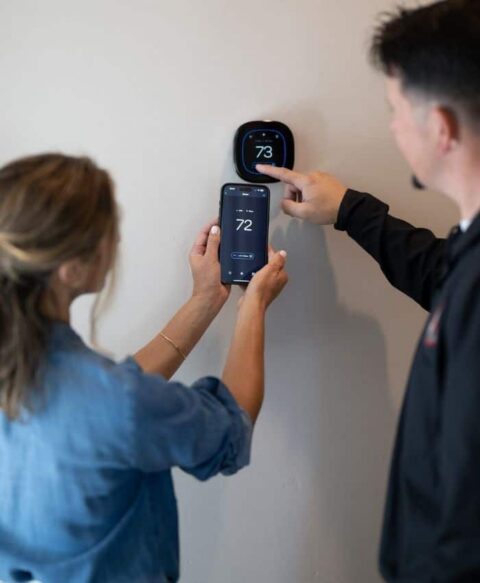
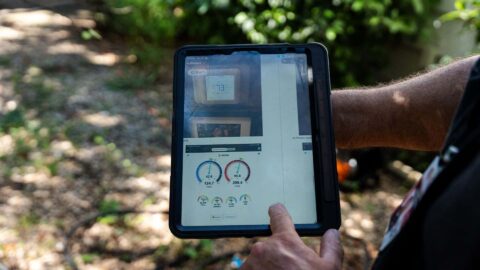
Programmable and smart thermostats allow you to set cooling schedules that align with your daily routine, ensuring your home is only cooled when necessary. Smart thermostats take this a step further by learning your habits over time and making automatic adjustments to optimize efficiency. Many smart thermostats also offer mobile apps, allowing you to adjust settings remotely and receive energy usage reports.
Improving Home Insulation
Insulation acts as a barrier, preventing the transfer of heat between the inside and outside of your home. Key areas to focus on include walls, attics, and windows, as these are common sources of heat gain. Upgrading your home’s insulation can lead to significant energy savings and a more comfortable living space.
Using Fans and Ventilation Wisely
Ceiling fans create a wind-chill effect that can make a room feel cooler, allowing you to raise the thermostat setting without sacrificing comfort. Taking advantage of natural ventilation by opening windows during cooler parts of the day can help circulate fresh air and reduce the need for air conditioning.
Routine Maintenance Tasks
Regular maintenance is essential for keeping your air conditioning system running efficiently. Simple tasks such as cleaning or replacing air filters every one to three months can significantly improve airflow and system performance. Checking refrigerant levels is another important maintenance task, as low levels can indicate leaks or other issues.
Considering System Upgrades
Older systems often lack the energy-saving features found in newer models. Upgrading to a more energy-efficient model can result in significant long-term savings on your utility bills. Modern systems often come with advanced features such as variable-speed compressors and smart thermostats.
Reducing Heat Gain in Your Home
Simple measures such as using shades, blinds, or curtains can block out direct sunlight and keep indoor temperatures cooler. Reflective films applied to windows can also reduce heat gain. Landscaping can play a role as well, with strategically placed trees and shrubs providing natural shade and cooling.
Adopting Energy-Saving Habits
Simple actions such as turning off unused electronics and lights can prevent unnecessary heat generation. Closing doors to unused rooms helps contain cooled air in occupied spaces. Using appliances such as ovens and dryers during cooler parts of the day can prevent excess heat buildup in your home.
Keep AC Costs Low with Ray O. Cook Heating & Air
If you’re looking to optimize your air conditioning system and improve your home’s energy efficiency this summer, Ray O. Cook Heating & Air is here to help. Our team of experienced AC professionals can provide expert advice, routine maintenance, and system upgrades tailored to your specific needs.
Ray O. Cook Heating & Air is available by phone at (916) 908-3289 or you can always send us a message online.