
The Impact of HVAC Systems on Indoor Humidity

humidity, indoor comfort, air quality, energy efficiency, HVAC tips

The Impact of HVAC Systems on Indoor Humidity

Understanding HVAC Systems and Their Role in Indoor Humidity Control

Components of HVAC Systems

The heart of maintaining a comfortable indoor climate lies in the multifaceted components of HVAC systems. A standard HVAC system integrates several key parts, including a furnace, air conditioner, and an extensive ventilation network, each playing a pivotal role in regulating indoor temperature and humidity levels. The furnace primarily provides warmth, particularly during colder months, while the air conditioner efficiently cools the air, crucial during the sweltering summer days. Together, they form a balance as air circulates throughout your home. Beyond heating and cooling, ventilation acts as the respiratory system of your house, ensuring that air circulates and stagnation is prevented, thus having a direct influence on the amount of moisture in the air.

How HVAC Systems Regulate Humidity

HVAC systems regulate indoor humidity as part of their cooling and heating functions, ensuring a comfortable and healthy living environment. One of the primary methods for controlling excess moisture in the air is through the use of dehumidifiers. When the air conditioning unit is operational, it is designed to extract both heat and humidity from the air; essentially, the air passing over the unit’s cold evaporator coils condenses the moisture, which is then drained away.

Conversely, during colder months, maintaining adequate humidity levels becomes essential, as overly dry air can lead to discomfort and health issues. Here, humidifiers within HVAC systems play a crucial role. These devices add moisture to the air, counteracting the drying effect that often accompanies heating. By maintaining the air’s humidity within an optimal range—usually between 30-50%—these systems help to prevent issues such as static electricity, dry skin, and irritated respiratory passages.

Effects of Indoor Humidity on Health and Comfort
Health Implications of Imbalanced Humidity
The level of humidity in your home does more than just affect your comfort—it also has a significant impact on your health. Excess humidity creates an environment ripe for mold and mildew growth, both of which are common allergy triggers and can exacerbate conditions like asthma and other respiratory issues. When the air is too dry, it can cause skin to become dry and flaky, exacerbate eczema, and lead to irritated nasal passages and throat discomfort.

To maintain a healthy indoor environment, it’s essential to keep humidity within an optimal range. This not only enhances comfort but also promotes well-being. For those with underlying health concerns, regulating humidity can significantly improve quality of life.

Comfort Levels and Living Spaces
An ideal indoor humidity range, typically between 30-50%, provides a comfortable environment that prevents the air from feeling too moist or too dry. When humidity levels rise above this range, everything feels sticky and the air feels heavy. Conversely, when levels drop too low, the air can sap moisture from your skin.

Living in a home where indoor humidity is properly regulated also protects your home’s interior. Wood can warp or crack from too much moisture, and paint can peel, while textiles are prone to develop unpleasant odors over time.

Technical Aspects of HVAC Systems and Humidity Control
Seasons and HVAC Performance
The performance and efficiency of an HVAC system are deeply intertwined with seasonal changes. In summer, heat and humidity often rise together, necessitating greater reliance on the cooling and dehumidifying functionalities of the system. During winter, the focus shifts towards heating and controlling the dryness that accompanies the colder months. As outdoor temperatures drop, indoor heating can cause the air’s relative humidity to plummet, leading to dry air conditions.

Energy Efficiency and Humidity
One of the often-overlooked benefits of properly managing indoor humidity through HVAC systems is the potential for significant energy savings. When humidity levels are well-controlled, the HVAC system doesn’t have to overcompensate with excessive cooling or heating, reducing energy consumption. A less humid environment feels cooler than a humid one, allowing homeowners to set their thermostats higher in the summer, thereby conserving energy.

Optimizing HVAC Systems for Better Humidity Management
Regular Maintenance and Calibration
Regular maintenance and calibration of your HVAC system are cornerstones for ensuring optimal humidity control and system performance. Routine checks, ideally conducted bi-annually, allow for the early detection of wear and potential issues. Maintenance tasks typically include cleaning and replacing air filters, inspecting and cleaning coils, and checking for any obstructions in the ventilation system.

Innovative Technologies in HVAC Systems
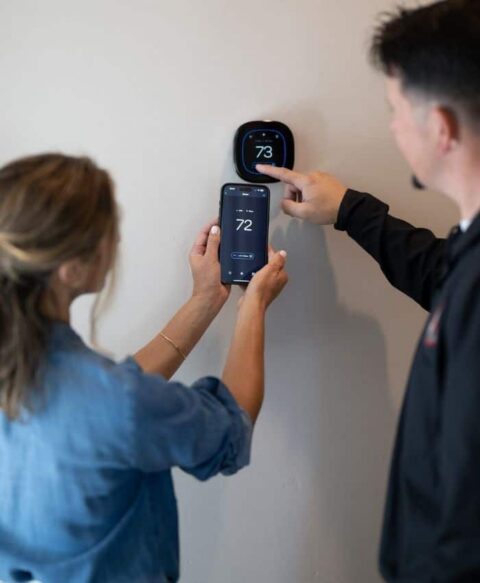
Modern HVAC systems are embracing cutting-edge technologies to enhance humidity control capabilities. One of the most impactful innovations is the integration of smart home technologies, which allow homeowners to manage and monitor their HVAC systems remotely through smartphones or computer applications. Features such as automated sensors can make systems even more responsive, adjusting operations dynamically as environmental conditions change.

Choosing the Right HVAC System for Humidity Control
Selecting the appropriate HVAC system for managing indoor humidity can vary significantly depending on your local climate. Homes located in regions with high humidity levels benefit from systems with robust dehumidification capabilities. In drier climates, the focus shifts to maintaining adequate moisture levels.

Navigating the complexities of HVAC system selection and installation requires the expertise of professionals who understand the nuances of both the equipment and your specific environmental needs. Engaging with local HVAC specialists in Roseville, CA, who provide tailored advice ensures that you find systems calibrated perfectly for your home’s humidity and comfort needs.

Reduce Humidity In Your Home with Ray O. Cook Heating & Air
Understanding the impact of HVAC systems on indoor humidity is crucial for maintaining health, comfort, and efficiency within your home. If you’re looking to optimize your indoor environment, Ray O. Cook Heating & Air offers professional heating and cooling services that can tailor solutions specific to your needs. Don’t hesitate to contact us for expert advice and solutions to manage your home’s humidity effectively.

Call Ray O. Cook Heating & Air at (916) 908-3289 or contact us online.

Benefits of Regular HVAC Maintenance

air conditioner install roseville

Benefits of Regular HVAC Maintenance

Taking charge of your home’s climate is more than just ensuring comfort—it’s an investment in efficiency, longevity, and environmental responsibility.

Regular HVAC maintenance becomes a crucial strategy in achieving these goals, offering a myriad of benefits to homeowners and facility managers alike.

Reduced Energy Consumption
Regular HVAC maintenance is a powerful tool in the quest to reduce energy consumption and trim down utility bills. When components such as filters, coils, and blowers are routinely checked and cleaned, your system can breeze through operations with less effort and energy. Clean and unobstructed airflow allows the HVAC system to efficiently regulate temperature, eliminating the need for the unit to exert extra effort, which in turn conserves more energy.

Optimal System Performance
Each component, from the thermostat to the compressor, thrives when regularly inspected and fine-tuned. Qualified technicians can preemptively identify and address potential issues before they interfere with comfort or system efficiency. Regular inspections can significantly extend your system’s lifespan and operational smoothness.

Prevention of Major Breakdowns
Routine HVAC maintenance helps catch minor issues before they evolve into significant, expensive headaches. Early detection prevents premature wear and tear on critical components, reducing the strain on your HVAC system and enhancing reliability.

Improved System Longevity
Regular servicing acts as a shield, protecting your HVAC system from the typical pitfalls that shorten its life expectancy. An HVAC unit that benefits from consistent care runs predictably smoother and lasts longer, deferring the hefty costs associated with replacements.

Lower Repair Costs
By catching problems early, maintenance prevents minor issues from ballooning into major repairs that are more complex and costly. A well-maintained system is less likely to experience breakdowns that lead to expensive emergency services.

Reduced Energy Bills
A system that’s in tip-top condition uses energy more efficiently, directly impacting your utility costs. When airflow is maximized and components like thermostats and fans work in harmony, less energy is wasted.

Effective Air Filtration
One of the key aspects of maintenance check-ups involves the cleaning or replacement of air filters. Clean filters ensure optimal removal of dirt, pollen, and other allergens from your indoor air, fostering a healthier environment. This is especially crucial for those with respiratory conditions or allergies.

Balanced Humidity Levels
Routine maintenance ensures that your HVAC system adeptly manages humidity levels, preventing the undesired consequences of excessive moisture and mold or conversely, overly dry conditions.

Reduced Carbon Footprint
A system that runs efficiently uses less energy, leading to a decrease in the carbon emissions it’s responsible for. When you prioritize maintenance, you’re not just ensuring personal comfort—you’re playing an active role in preserving the planet for future generations.

Eco-Friendly Refrigerant Management
Checking refrigerant levels and identifying any leaks during routine servicing is crucial for avoiding harmful environmental consequences. Leaking refrigerants can damage the ozone layer and contribute to global warming, making their proper management a vital component of eco-friendly living.

For HVAC Maintenance You Can Rely on, Call Ray O. Cook Heating & Air
At Ray O. Cook Heating & Air, you’re guided by a team committed to providing excellence in HVAC maintenance. Whether you’re an environmentally-conscious homeowner or a facility manager in search of cost-effective solutions, our focused expertise helps you enhance system performance and extend its lifespan.

Call Ray O. Cook Heating & Air now at (916) 908-3289 or contact us online.


The Importance of Changing Air Filters Regularly

air filters, air quality, HVAC tips, MERV ratings, energy bills, annual maintenance

The Importance of Changing Air Filters Regularly

Keeping your HVAC system in peak condition is crucial for maintaining a comfortable and healthy home environment. One of the simplest yet most effective ways to ensure your system runs smoothly is by regularly changing your air filters. In this blog post, we’ll explore why this routine maintenance is so vital, the consequences of neglect, and how to choose and maintain the right air filters for your needs.

Types of Air Filters
Air filters come in various types, each designed to meet different needs and efficiency levels. Fiberglass filters are the most basic, offering minimal filtration at a low cost. Pleated filters provide a higher level of filtration due to their increased surface area, capturing more dust and allergens. HEPA filters are renowned for their high efficiency, capable of trapping up to 99.97% of particles as small as 0.3 microns, making them ideal for those with allergies or respiratory issues. Electrostatic filters use static electricity to attract and capture particles, offering a reusable option for environmentally conscious consumers.

How Air Filters Work
Air filters play a crucial role in maintaining indoor air quality and protecting your HVAC system. They work by trapping dust, pollen, pet dander, and other airborne particles as air circulates through your system. This filtration process not only improves the air you breathe but also prevents these particles from accumulating on the system’s components.

Reduced Air Quality
Clogged filters become less effective at trapping airborne particles, allowing dust, pollen, and other allergens to circulate throughout your home. This can exacerbate allergies and respiratory issues, particularly for those with asthma or other sensitivities. Poor air quality can also lead to an uncomfortable living environment, with increased dust accumulation and unpleasant odors.

Increased Energy Consumption
Dirty air filters can also lead to increased energy consumption, as they force your HVAC system to work harder to maintain the desired temperature. When filters are clogged, airflow is restricted, causing the system to use more energy to push air through. This results in higher energy bills and contributes to a larger environmental footprint.

Factors Influencing Replacement Frequency
Several factors can influence how often you should replace your air filters. The type of filter you use is a primary consideration. Household size and the presence of pets can also impact filter longevity. Additionally, local air quality plays a role; if you live in an area with high pollution or allergens, you may need to change your filters more frequently.

Signs Your Air Filter Needs Changing
Visible dirt and dust on the filter are clear indicators that it’s time for a replacement. Increased dust accumulation in your home, unusual HVAC noises, or a noticeable decrease in airflow can also signal that your filter is overdue for a change.

Evaluating MERV Ratings
When selecting an air filter, understanding the Minimum Efficiency Reporting Value (MERV) rating system is crucial. MERV ratings range from 1 to 20, with higher numbers indicating better filtration efficiency. However, higher-rated filters can also restrict airflow, so it’s essential to balance air quality with system performance. For most residential systems, a MERV rating between 8 and 13 is recommended.

Cost vs. Performance
While basic fiberglass filters are inexpensive, they offer limited filtration and may require more frequent replacements. Pleated and HEPA filters, though more costly, provide superior air quality and longer-lasting performance. Investing in a higher-quality filter can save money in the long run by improving system efficiency and reducing energy costs.

Proper Installation Techniques
Begin by turning off your HVAC system to prevent any debris from entering during the process. Remove the old filter carefully, noting the direction of airflow indicated by arrows on the filter frame. Insert the new filter with the arrows pointing in the same direction as the airflow, ensuring a snug fit to prevent air bypass.

Setting a Replacement Schedule
Establishing a regular replacement schedule is key to maintaining your air filters and ensuring optimal HVAC performance. Consider setting reminders on your phone or calendar to prompt you when it’s time for a change.

DIY vs. Professional Maintenance
DIY maintenance can save money and allow you to learn more about your HVAC system. Professional services, like those offered by Ray O. Cook Heating & Air in Roseville, CA, provide expert care and ensure that your system is in top condition.

Keep Your HVAC System Functioning Efficiently with Ray O. Cook Heating & Air
Regularly changing your air filters is a simple yet essential task that can significantly impact your home’s air quality, energy consumption, and HVAC system longevity. If you need assistance with your heating or AC system, contact Ray O. Cook Heating & Air for expert guidance and services tailored to your needs. Don’t wait until it’s too late—ensure your system is running efficiently and effectively today.

Call Ray O. Cook Heating & Air now at (916) 908-3289 or contact us online.