
The Impact of HVAC Systems on Indoor Humidity
- September 2, 2025
- 5 minutes
Understanding HVAC Systems and Their Role in Indoor Humidity Control
Components of HVAC Systems
The heart of maintaining a comfortable indoor climate lies in the multifaceted components of HVAC systems. A standard HVAC system integrates several key parts, including a furnace, air conditioner, and an extensive ventilation network, each playing a pivotal role in regulating indoor temperature and humidity levels. The furnace primarily provides warmth, particularly during colder months, while the air conditioner efficiently cools the air, crucial during the sweltering summer days. Together, they form a balance as air circulates throughout your home. Beyond heating and cooling, ventilation acts as the respiratory system of your house, ensuring that air circulates and stagnation is prevented, thus having a direct influence on the amount of moisture in the air.
How HVAC Systems Regulate Humidity
HVAC systems regulate indoor humidity as part of their cooling and heating functions, ensuring a comfortable and healthy living environment. One of the primary methods for controlling excess moisture in the air is through the use of dehumidifiers. When the air conditioning unit is operational, it is designed to extract both heat and humidity from the air; essentially, the air passing over the unit’s cold evaporator coils condenses the moisture, which is then drained away.
Conversely, during colder months, maintaining adequate humidity levels becomes essential, as overly dry air can lead to discomfort and health issues. Here, humidifiers within HVAC systems play a crucial role. These devices add moisture to the air, counteracting the drying effect that often accompanies heating. By maintaining the air’s humidity within an optimal range—usually between 30-50%—these systems help to prevent issues such as static electricity, dry skin, and irritated respiratory passages.
Effects of Indoor Humidity on Health and Comfort
Health Implications of Imbalanced Humidity
The level of humidity in your home does more than just affect your comfort—it also has a significant impact on your health. Excess humidity creates an environment ripe for mold and mildew growth, both of which are common allergy triggers and can exacerbate conditions like asthma and other respiratory issues. When the air is too dry, it can cause skin to become dry and flaky, exacerbate eczema, and lead to irritated nasal passages and throat discomfort.
To maintain a healthy indoor environment, it’s essential to keep humidity within an optimal range. This not only enhances comfort but also promotes well-being. For those with underlying health concerns, regulating humidity can significantly improve quality of life.
Comfort Levels and Living Spaces
An ideal indoor humidity range, typically between 30-50%, provides a comfortable environment that prevents the air from feeling too moist or too dry. When humidity levels rise above this range, everything feels sticky and the air feels heavy. Conversely, when levels drop too low, the air can sap moisture from your skin.
Living in a home where indoor humidity is properly regulated also protects your home’s interior. Wood can warp or crack from too much moisture, and paint can peel, while textiles are prone to develop unpleasant odors over time.
Technical Aspects of HVAC Systems and Humidity Control
Seasons and HVAC Performance
The performance and efficiency of an HVAC system are deeply intertwined with seasonal changes. In summer, heat and humidity often rise together, necessitating greater reliance on the cooling and dehumidifying functionalities of the system. During winter, the focus shifts towards heating and controlling the dryness that accompanies the colder months. As outdoor temperatures drop, indoor heating can cause the air’s relative humidity to plummet, leading to dry air conditions.
Energy Efficiency and Humidity
One of the often-overlooked benefits of properly managing indoor humidity through HVAC systems is the potential for significant energy savings. When humidity levels are well-controlled, the HVAC system doesn’t have to overcompensate with excessive cooling or heating, reducing energy consumption. A less humid environment feels cooler than a humid one, allowing homeowners to set their thermostats higher in the summer, thereby conserving energy.
Optimizing HVAC Systems for Better Humidity Management
Regular Maintenance and Calibration
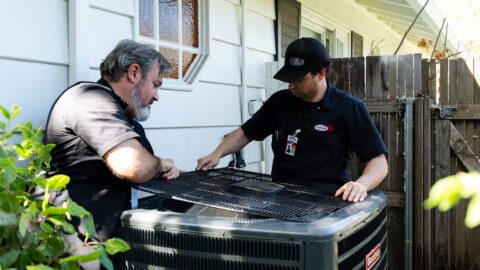
Regular maintenance and calibration of your HVAC system are cornerstones for ensuring optimal humidity control and system performance. Routine checks, ideally conducted bi-annually, allow for the early detection of wear and potential issues. Maintenance tasks typically include cleaning and replacing air filters, inspecting and cleaning coils, and checking for any obstructions in the ventilation system.
Innovative Technologies in HVAC Systems
Modern HVAC systems are embracing cutting-edge technologies to enhance humidity control capabilities. One of the most impactful innovations is the integration of smart home technologies, which allow homeowners to manage and monitor their HVAC systems remotely through smartphones or computer applications. Features such as automated sensors can make systems even more responsive, adjusting operations dynamically as environmental conditions change.
Choosing the Right HVAC System for Humidity Control
Selecting the appropriate HVAC system for managing indoor humidity can vary significantly depending on your local climate. Homes located in regions with high humidity levels benefit from systems with robust dehumidification capabilities. In drier climates, the focus shifts to maintaining adequate moisture levels.
Navigating the complexities of HVAC system selection and installation requires the expertise of professionals who understand the nuances of both the equipment and your specific environmental needs. Engaging with local HVAC specialists in Roseville, CA, who provide tailored advice ensures that you find systems calibrated perfectly for your home’s humidity and comfort needs.
Reduce Humidity In Your Home with Ray O. Cook Heating & Air
Understanding the impact of HVAC systems on indoor humidity is crucial for maintaining health, comfort, and efficiency within your home. If you’re looking to optimize your indoor environment, Ray O. Cook Heating & Air offers professional heating and cooling services that can tailor solutions specific to your needs. Don’t hesitate to contact us for expert advice and solutions to manage your home’s humidity effectively.
Call Ray O. Cook Heating & Air at (916) 908-3289 or contact us online.