
why fall is the time to schedule your annual furnace tune up
- November 2, 2025
- 6 minutes
Why Furnace Maintenance Matters
As winter settles in, there’s nothing more comforting than a home filled with steady, reliable warmth. But that comfort depends heavily on how well your furnace is maintained. Regular tune-ups aren’t just a recommendation—they’re essential for keeping your system efficient, safe, and dependable all season long. By scheduling annual maintenance before the temperatures drop, homeowners can avoid unexpected breakdowns, higher energy bills, and chilly nights spent waiting for furnace repairs.
A well-tuned furnace doesn’t just keep your home warm; it distributes heat evenly, operates quietly, and runs with less strain, helping you get the most from every bit of energy it uses. Without proper care, however, small issues can snowball into costly repairs, leaving your family in the cold when you need heat most.
Why Preventive Maintenance Matters
Preemptive tune-ups are the unsung heroes of home comfort. A quick maintenance visit in the fall can mean the difference between a worry-free winter and an inconvenient breakdown during freezing weather. A malfunctioning furnace isn’t just uncomfortable; it can be a safety hazard, especially for children, seniors, or anyone sensitive to the cold.
Regular maintenance helps by:
- Identifying and fixing small problems before they become major repairs.
Improving energy efficiency for lower monthly heating costs. - Extending the lifespan of your furnace.
Ensuring safe operation throughout the coldest months. - This proactive approach gives you peace of mind and confidence that your heating system is ready for whatever winter brings.
Energy Efficiency and Cost Savings
The link between maintenance and efficiency couldn’t be clearer. When a furnace is well cared for, it runs more smoothly, uses less energy, and performs more effectively. An efficient system requires less power to produce the same level of heat, reducing monthly energy costs and strain on your HVAC system.
In fact, studies show that regular furnace tune-ups can lead to energy savings of up to 30%. Over time, that’s a substantial return on investment—helping you save money while reducing your environmental footprint.
Key benefits of maintenance include:
- Reduced energy usage and lower utility bills.
- Fewer repair costs over time.
- Consistent, even heating throughout your home.
- Improved indoor air quality and comfort.
Think of furnace maintenance as a safeguard for your home budget—an affordable step that helps you avoid expensive repairs and unnecessary energy waste.
Avoiding the Winter Rush
Fall is the best time to prepare your furnace for winter. HVAC companies see a spike in emergency service calls once the first cold snap hits, often resulting in longer wait times and limited appointment availability. By scheduling early, you’ll enjoy:
Flexible scheduling before peak demand.
Priority service from technicians who can spend more time on thorough inspections.
Peace of mind knowing your furnace is ready before cold weather arrives.
Early preparation ensures your furnace gets the attention it deserves—and that you’re not left waiting for service when you need it most.
Identifying and Fixing Minor Issues
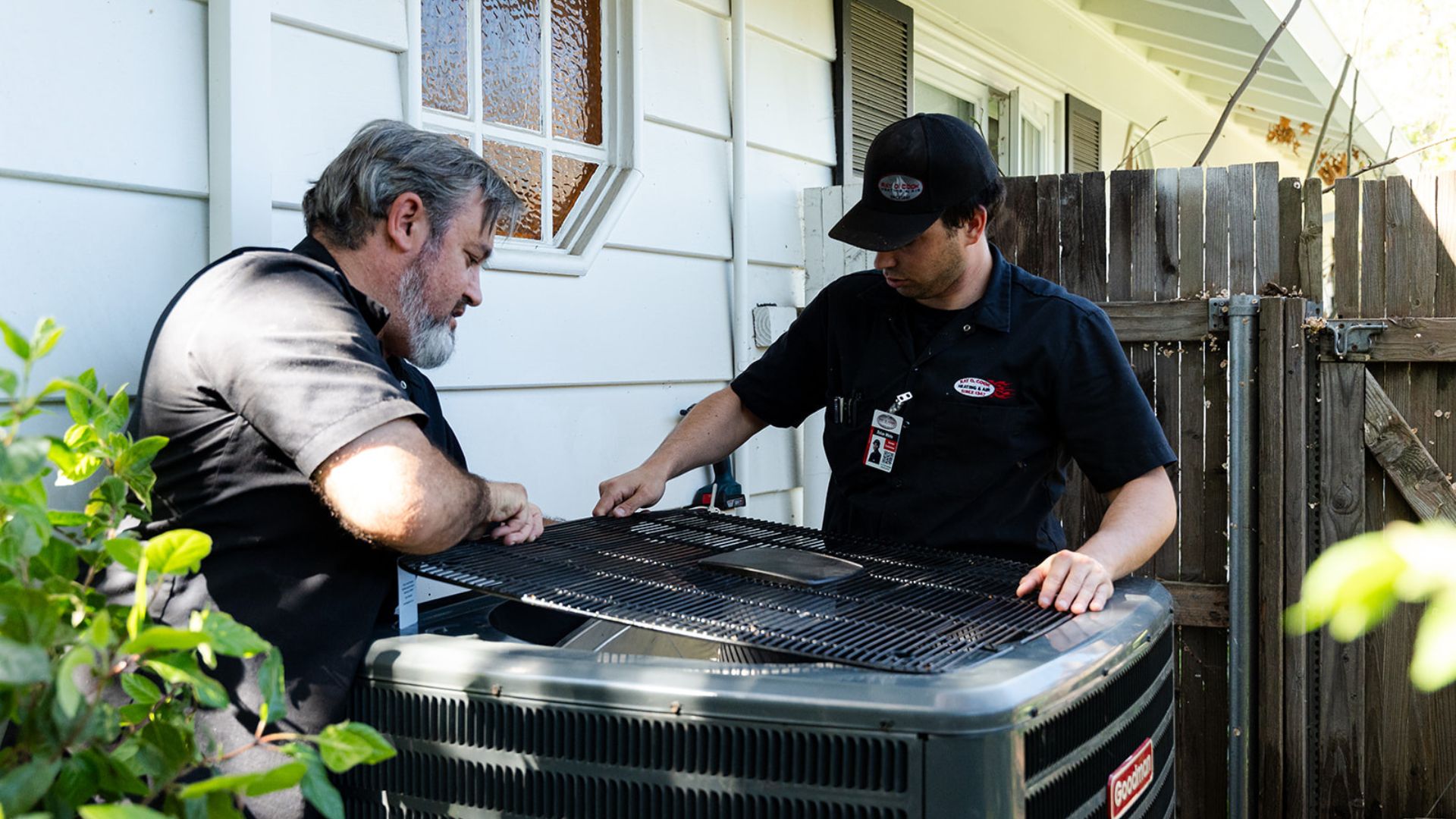
Think of fall furnace maintenance as a “health check-up” for your heating system. During an inspection, technicians can spot small issues that might otherwise go unnoticed, such as:
- Worn-out seals or belts
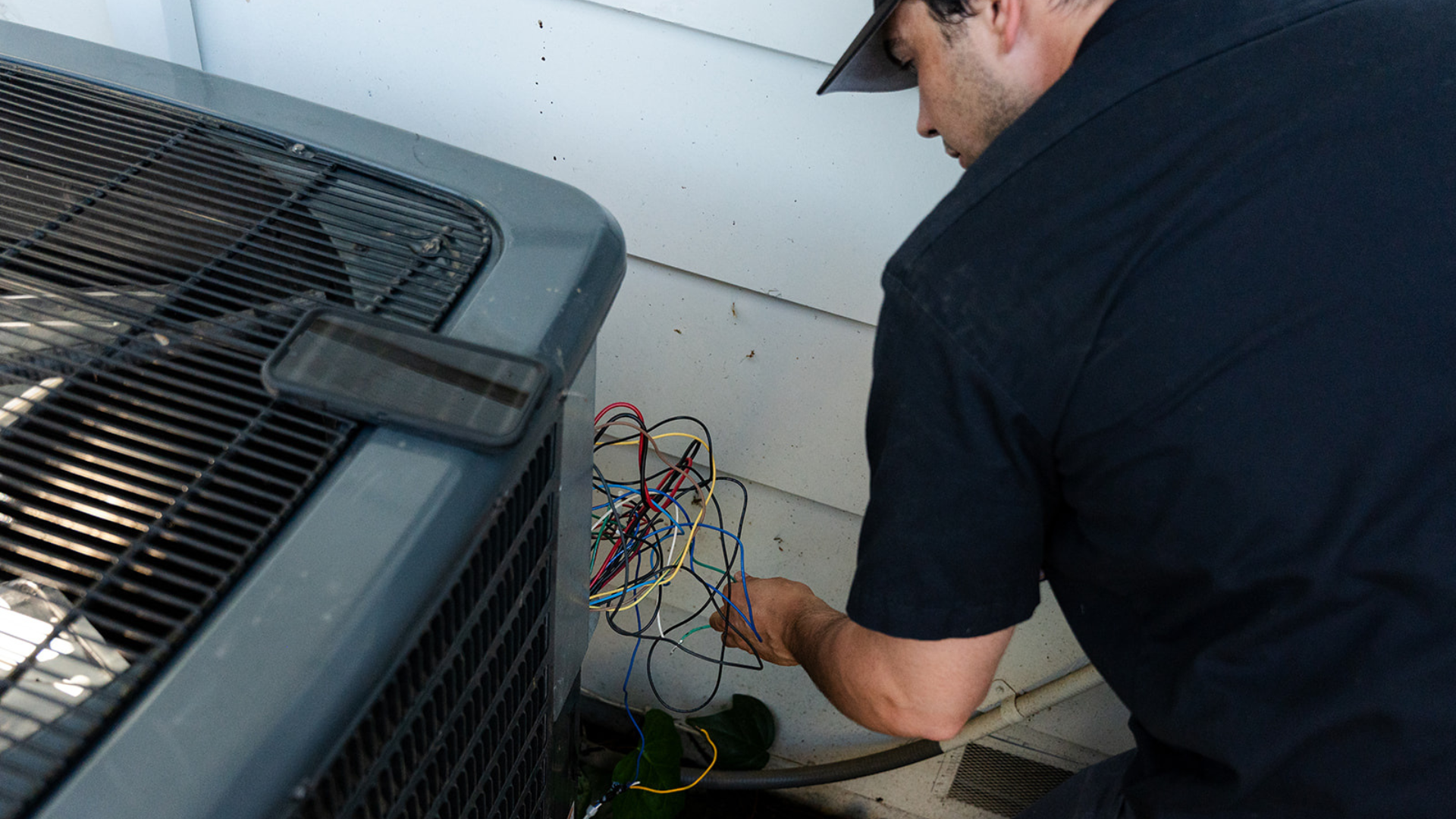
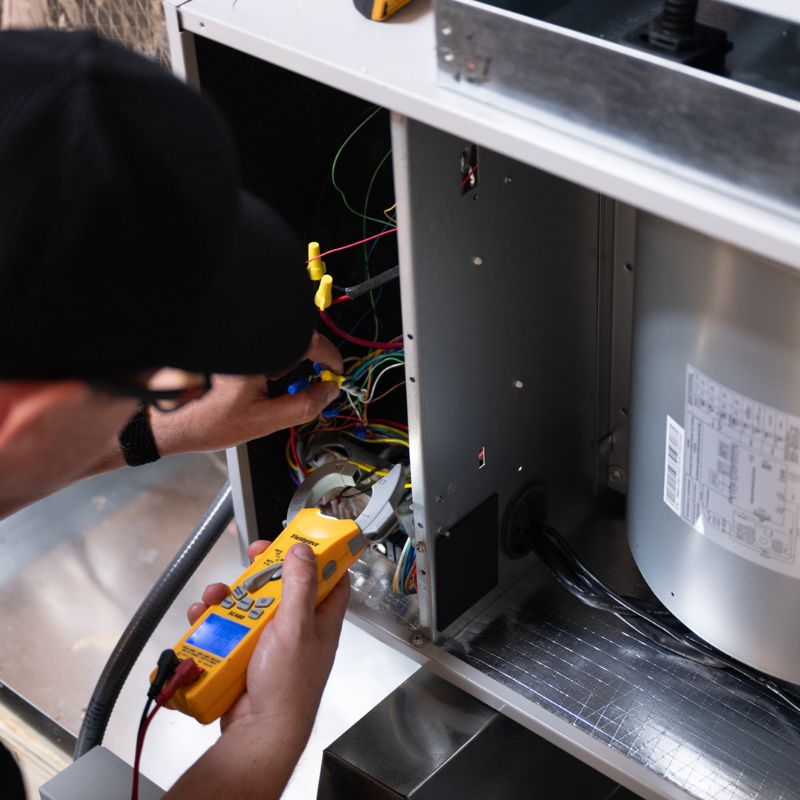
- Loose electrical connections
- Dirty burners or clogged filters
- Corroded or cracked parts
Addressing these minor concerns early prevents them from developing into larger problems that could cause system failure or costly repairs. For example, a simple air leak might require only a quick fix in the fall—but if ignored, it could shorten your system’s lifespan and reduce performance all winter long.
Inspection and Cleaning
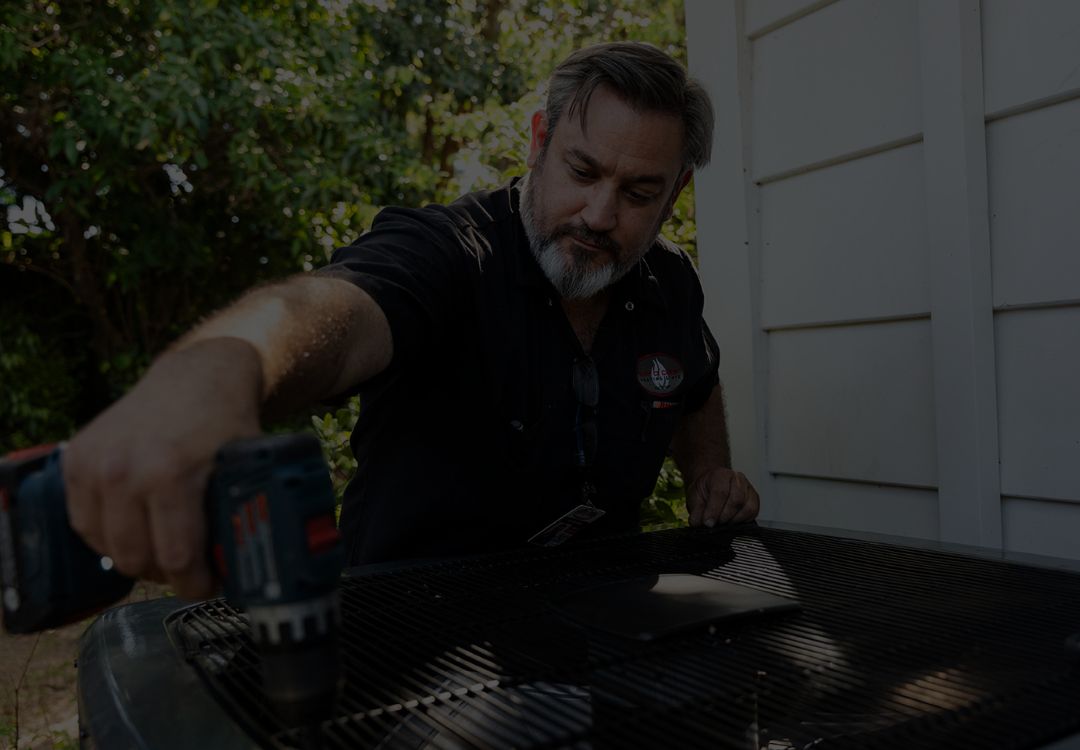
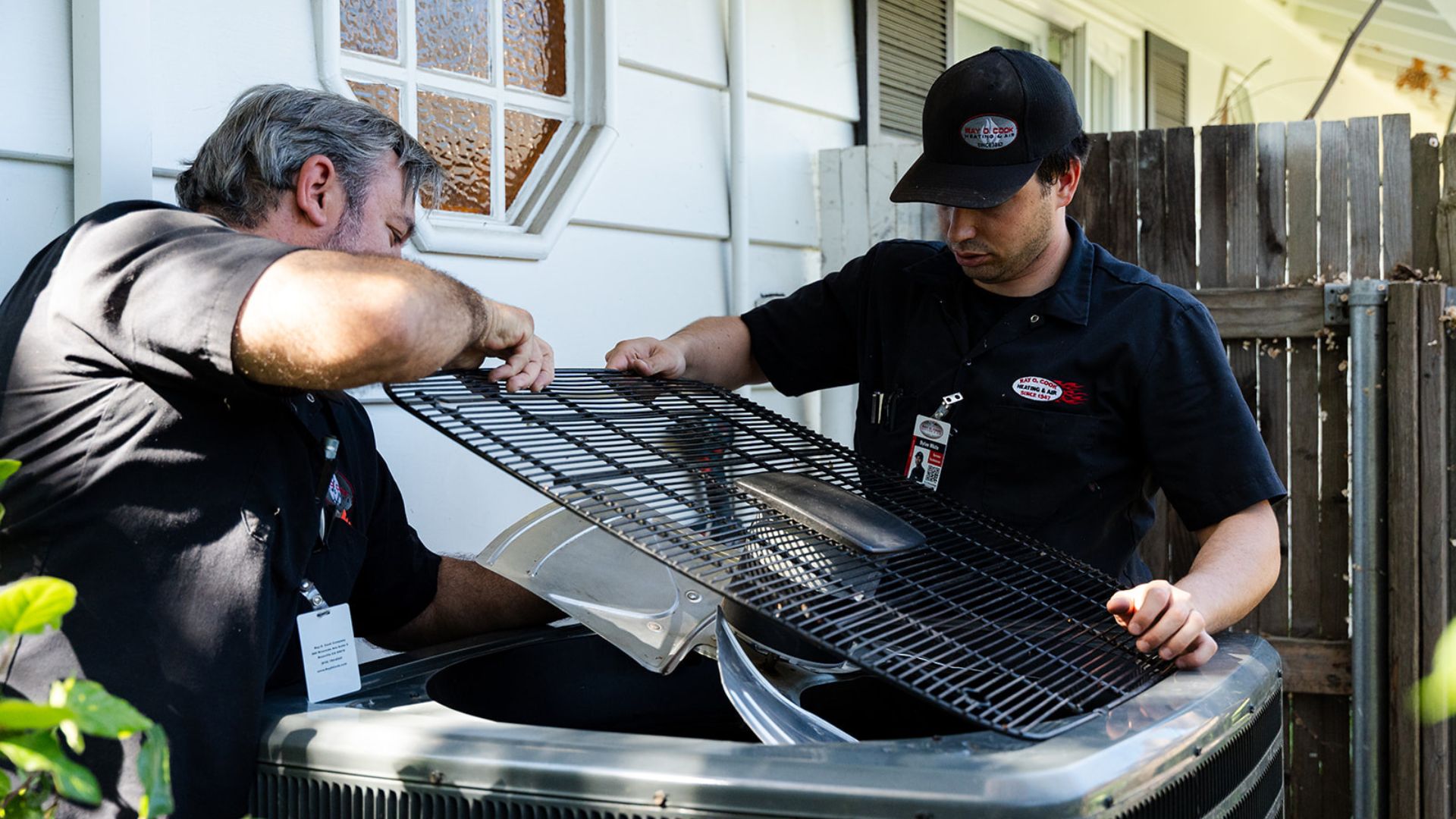
A comprehensive furnace tune-up always includes a detailed inspection and cleaning. Every major component—from burners to blowers—is examined to ensure safe and efficient operation.
Technicians will typically:
- Inspect burners for rust, dirt, or corrosion.
- Check blowers and fans for proper airflow.
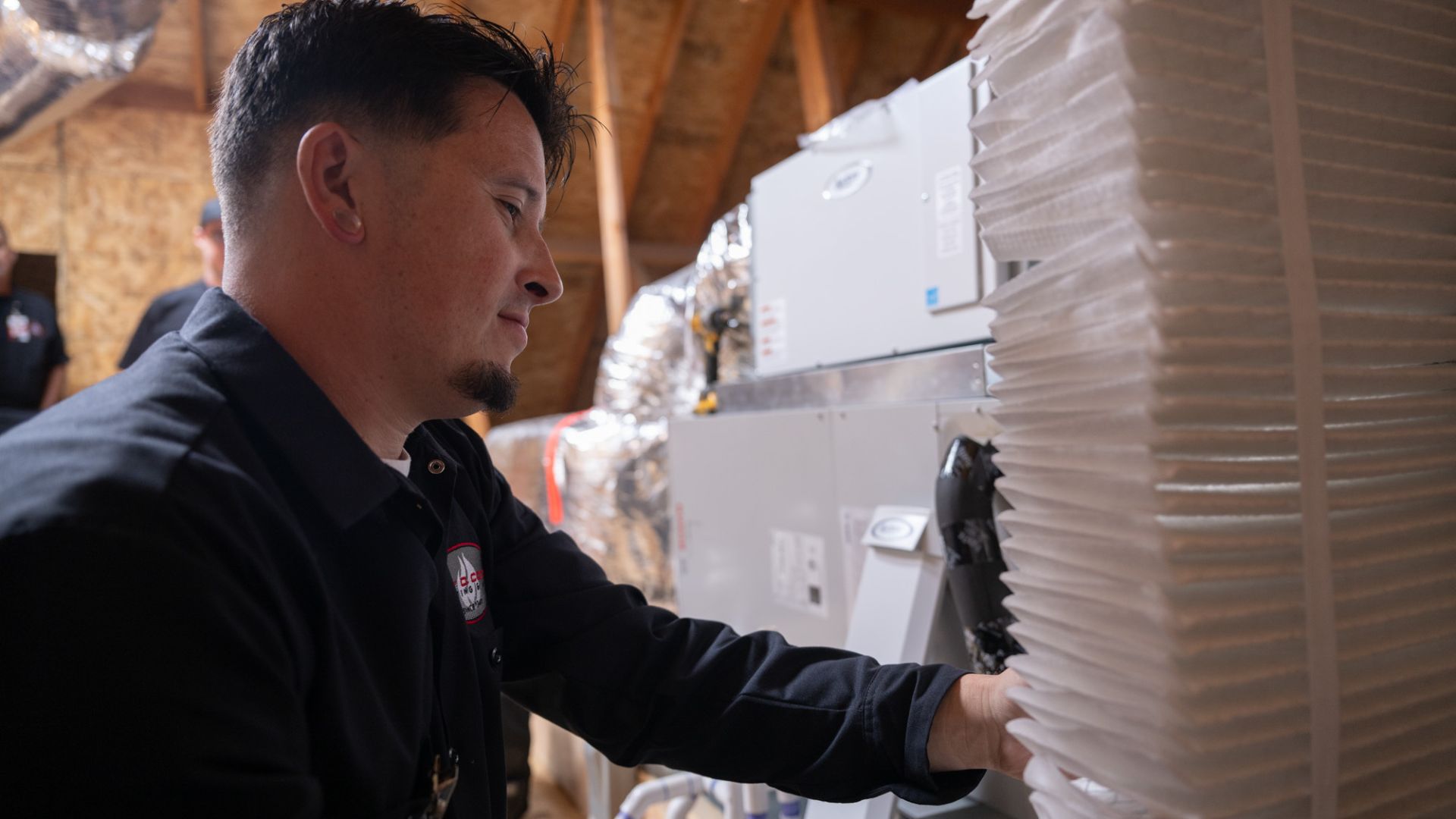
- Replace or clean filters to maintain healthy air quality.
- Remove buildup that can restrict air movement or cause overheating.
- Clean components reduce friction, extend equipment life, and help your furnace heat more evenly.
Plus, keeping your system free of dust and debris improves the air you breathe—especially important during closed-window winter months.
Thermostat Calibration and Safety Checks
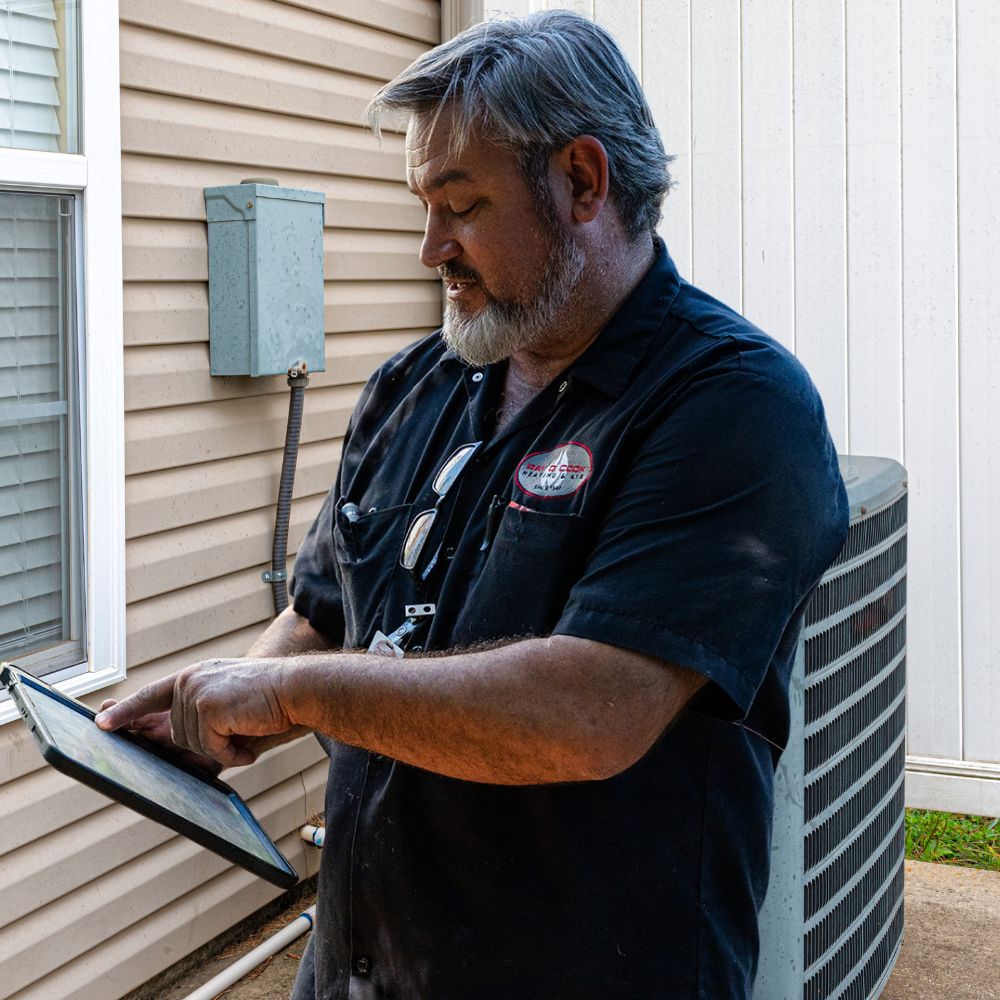
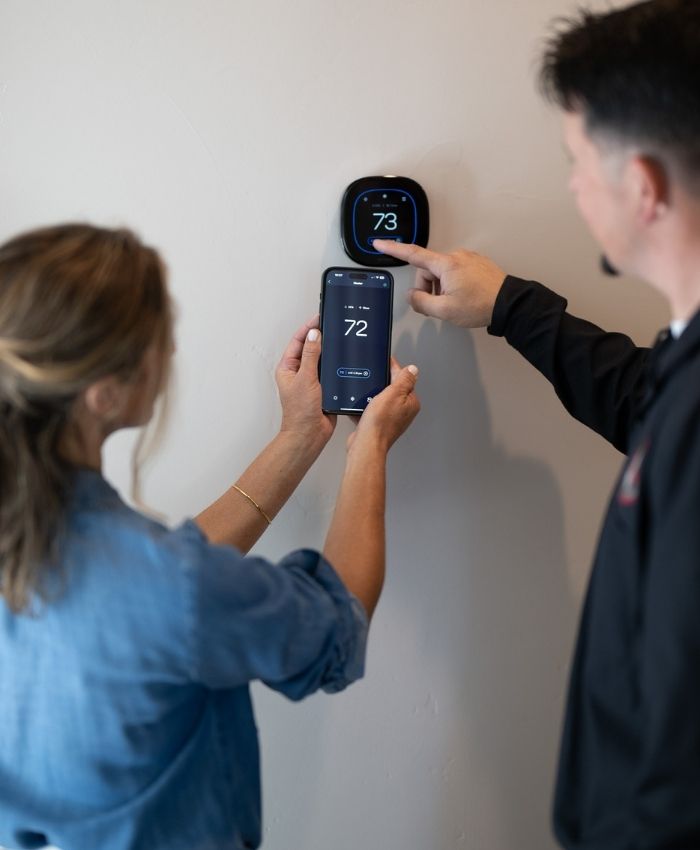
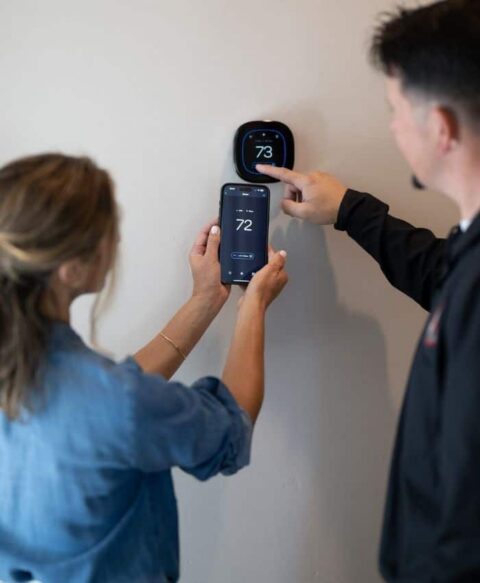
A properly calibrated thermostat ensures your furnace heats accurately and efficiently. If your thermostat isn’t reading temperatures correctly, your system may run longer than necessary or fail to keep your home comfortable.
Safety checks are equally vital. Technicians inspect gas lines, the heat exchanger, and venting systems for leaks or cracks that could lead to dangerous conditions such as carbon monoxide buildup. They’ll also ensure all safety switches and sensors are functioning properly, so your furnace runs smoothly and securely all season long.
Choosing Qualified Professionals
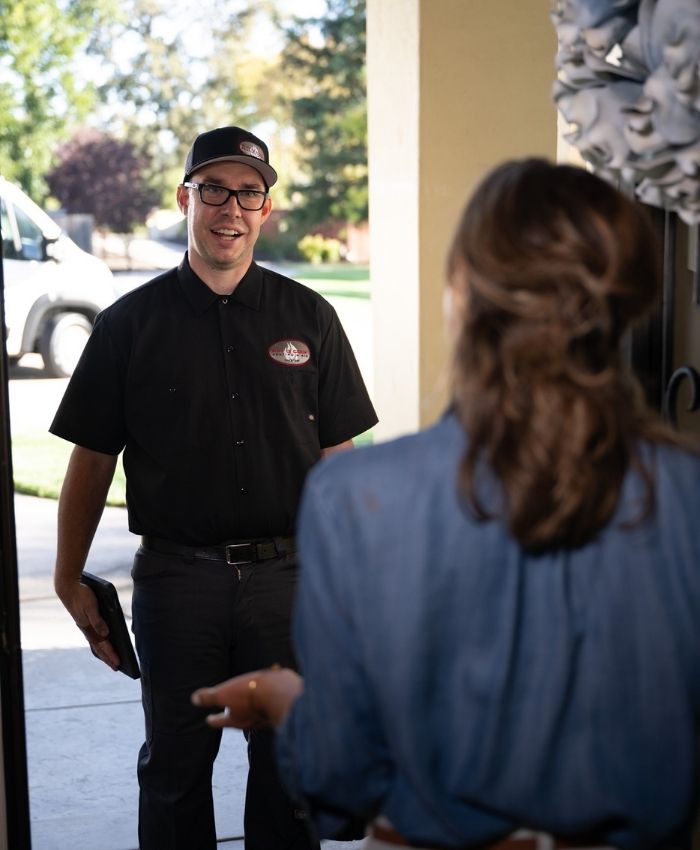
When it comes to furnace maintenance, who you hire makes all the difference. Certified and experienced HVAC technicians bring the expertise needed to identify problems quickly and perform reliable, lasting repairs.
Look for professionals who:
Are NATE-certified or have equivalent credentials.
Have experience with your specific furnace make and model.
Provide transparent pricing and clear explanations of their work.
Don’t hesitate to ask questions about their certifications or training. A skilled technician doesn’t just repair equipment—they ensure your furnace runs efficiently, safely, and reliably for years to come.
Customer Reviews and Testimonials
Before booking a service, take a few minutes to read customer reviews. They provide valuable insight into a company’s quality of work, punctuality, and professionalism.
When evaluating reviews, pay attention to:
- Consistent positive feedback on reliability and thoroughness.
- Mentions of friendly and knowledgeable technicians.
- How the company handles follow-up or warranty service.
A company with a strong reputation for great service, like Ray O. Cook Heating & Air is more likely to deliver the dependable results you want.
Preparing Your Home for Maintenance
Before your technician arrives, make sure the area around your furnace is clear and accessible. This helps the process go faster and ensures nothing interferes with their work. It’s also helpful to:
- Note any unusual noises, smells, or performance issues.
- Have past service records ready for reference.
Know where your furnace’s gas shut-off valve and electrical switch are located.
A little preparation ensures your appointment runs smoothly and that your technician can focus entirely on keeping your system in top condition.
Simple DIY Maintenance Between Visits
While most maintenance should be left to the pros, there are a few easy steps homeowners can take to keep their furnace running efficiently between visits:
- Replace or clean air filters every 1–3 months.
- Keep vents and registers clear of furniture or debris.
- Check thermostat batteries annually.
- Listen for unusual sounds and call for service if something seems off.
- Always remember to shut off power to the furnace before attempting any DIY tasks, and never try to repair gas or electrical components yourself.
Follow the Manufacturer’s Guidelines
Every furnace comes with specific maintenance recommendations from the manufacturer. These guidelines help ensure your system performs efficiently and remains covered under warranty. Skipping or delaying maintenance could void your coverage and lead to unnecessary costs later on.
For homeowners in Roseville, CA and surrounding areas, adhering to these guidelines also ensures your system stays compliant with local efficiency standards—protecting your comfort, investment, and peace of mind.
Keep Your Furnace In Top Shape This Winter with Ray O. Cook Heating & Air
For homeowners seeking to safeguard their comfort and savings this winter, Ray O. Cook Heating & Air is your local partner in furnace maintenance. Our expert technicians bring years of experience and a passion for delivering exceptional work to every service call. Don’t leave your comfort to chance. Contact us today to schedule your fall furnace maintenance appointment and enjoy a warm, worry-free winter season. Let us handle the details so you can embrace the season knowing your family is enveloped in steadfast warmth and safety.
Ray O. Cook Heating & Air is available by phone at (916) 908-3289 or you can always send us a message online.