Is an AC Tune‑Up worth it?

AC Tune‑Up

Is an AC Tune‑Up worth it?

If your home air conditioner running fine? It’s easy to wonder whether a tune-up is really necessary. For most Sacramento-area homeowners, an annual AC tune-up is worth it because it helps the system run more efficiently, reduces the risk of unexpected breakdowns, and gives a technician a chance to catch small issues before they become expensive repairs.

At Ray O. Cook Heating & Air, preventive maintenance is positioned as a core part of long-term system performance, especially in Sacramento’s dusty climate and high summer heat. Regular HVAC maintenance is especially important because dust buildup and seasonal strain can accelerate wear, clog filters, and reduce efficiency.

Why an AC Tune-Up Matters

Sacramento summers put a heavy load on home cooling systems, and Ray O. Cook understands that regular maintenance helps prepare equipment for that workload. We recommend biannual service visits, including a spring visit for air conditioning tune-ups, to address minor issues before they require major repairs and to help extend system life.

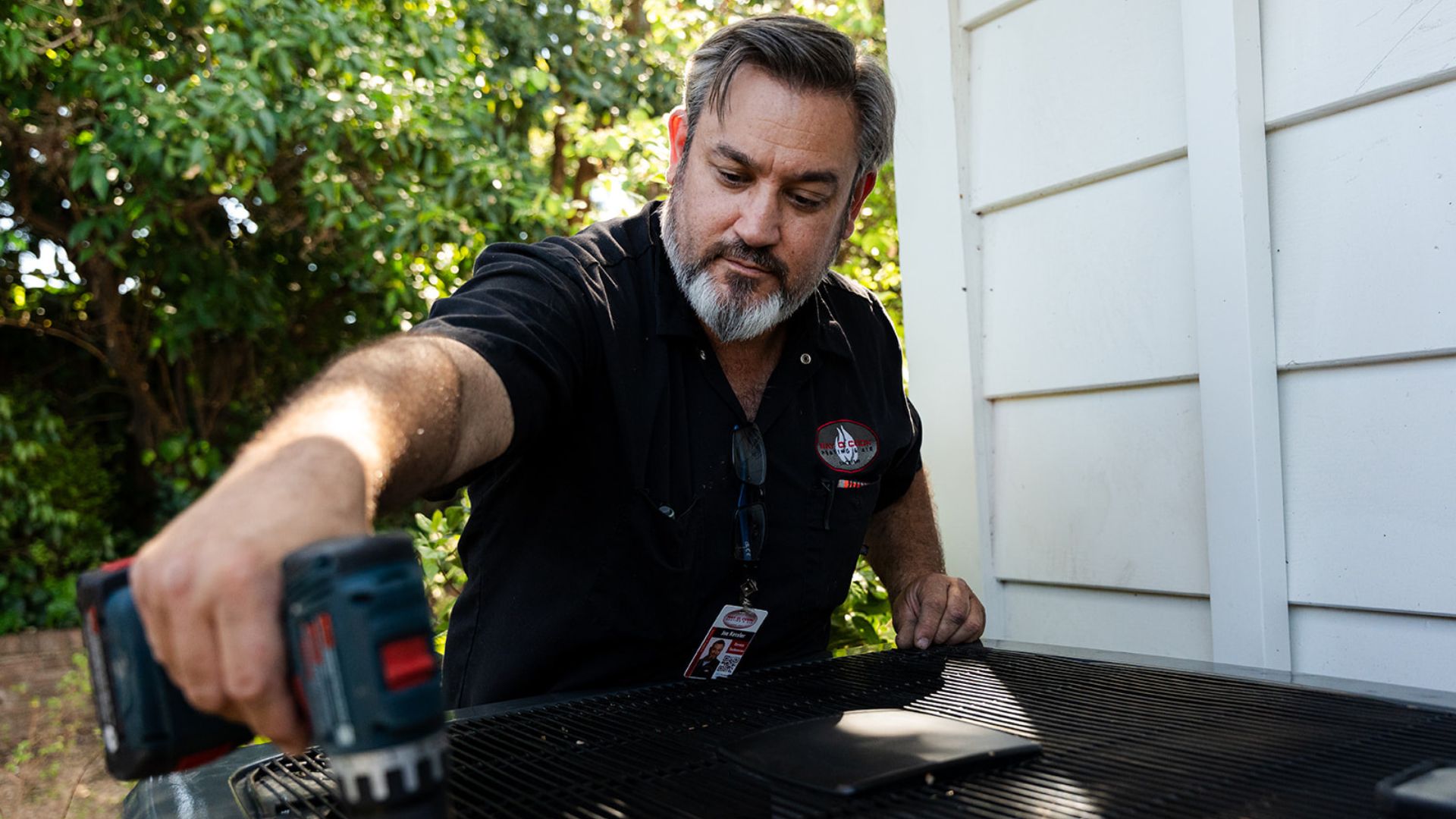
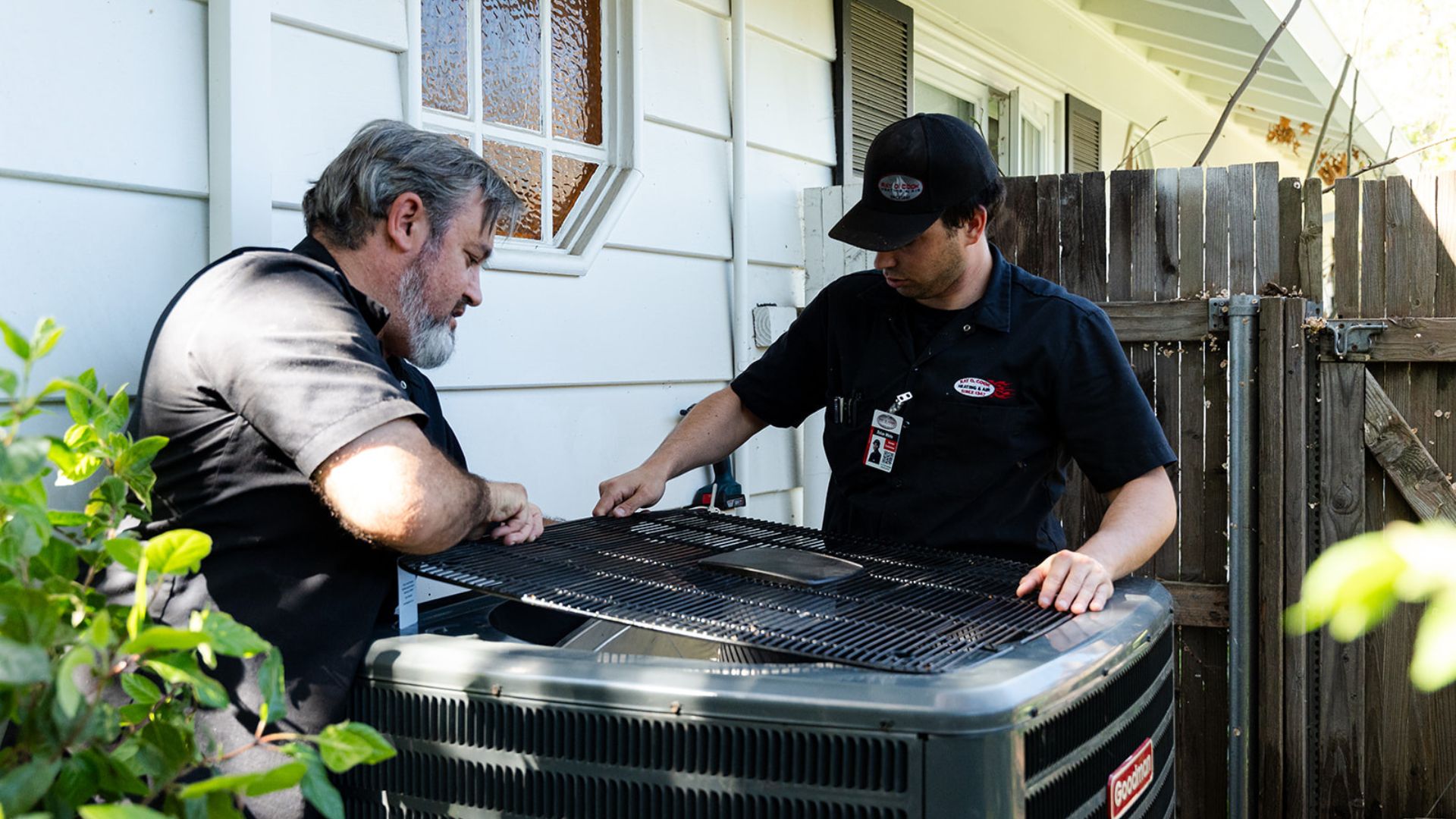
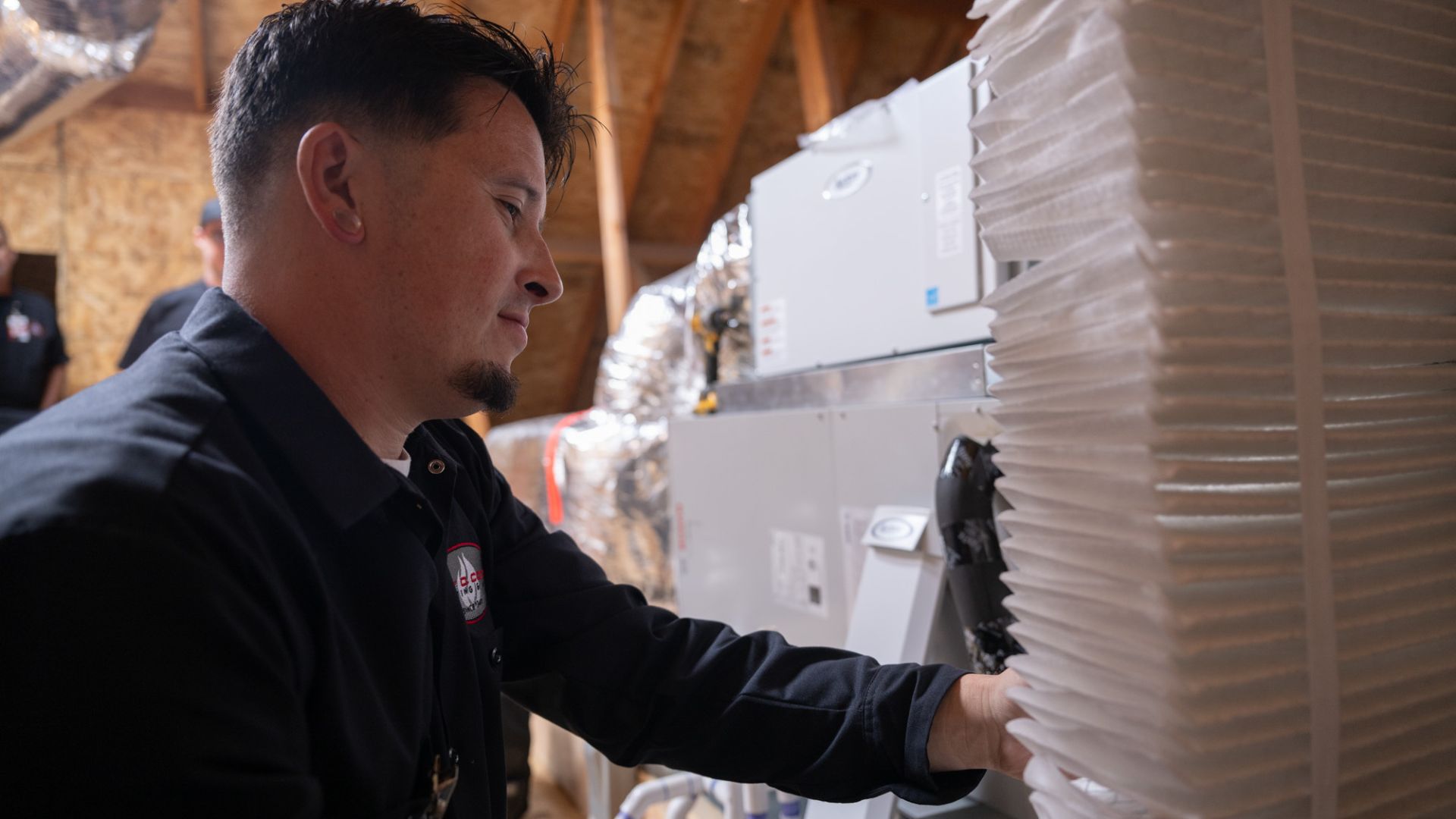
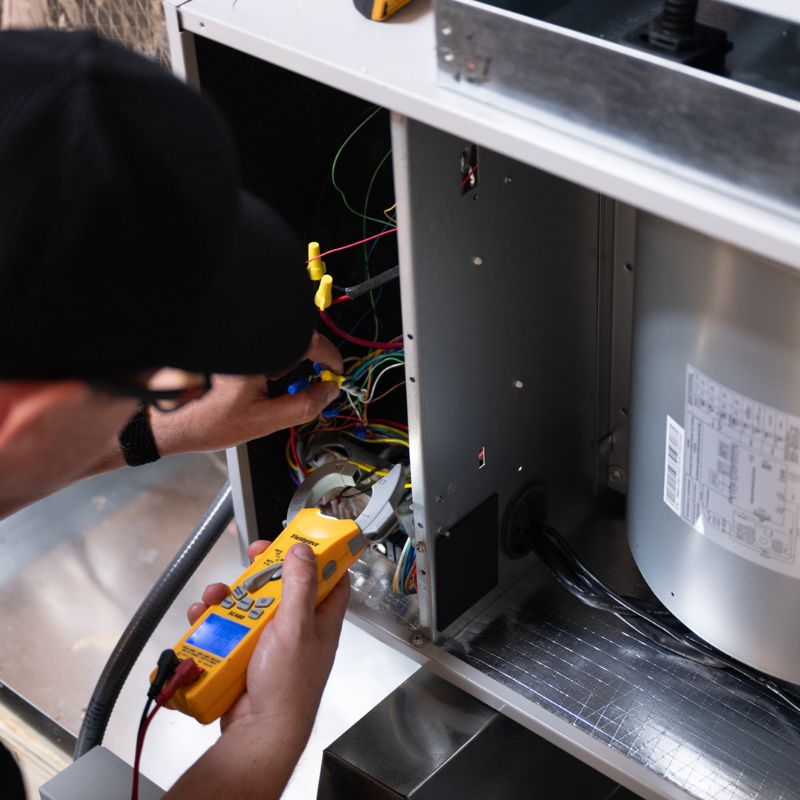
A professional air conditioner tune-up is valuable because it is more than a quick visual check. Our maintenance visits include a multi-point inspection of coils, controls, refrigerant levels, electrical connections, and thermostat calibration, along with a summary of findings and recommendations. Manufacturers like Carrier similarly explain that tune-ups should include inspection, cleaning, and performance checks that are designed to improve operation and identify developing problems early.

When a Tune-Up Is Worth It

A tune-up is especially worth it if the system is more than a year past its last professional service, if the home experienced high energy bills last summer, or if the AC still cools but seems to run longer than it used to. It is also a smart move before the first major heat wave, because maintenance can uncover airflow, refrigerant, or electrical issues before the system is under peak demand.

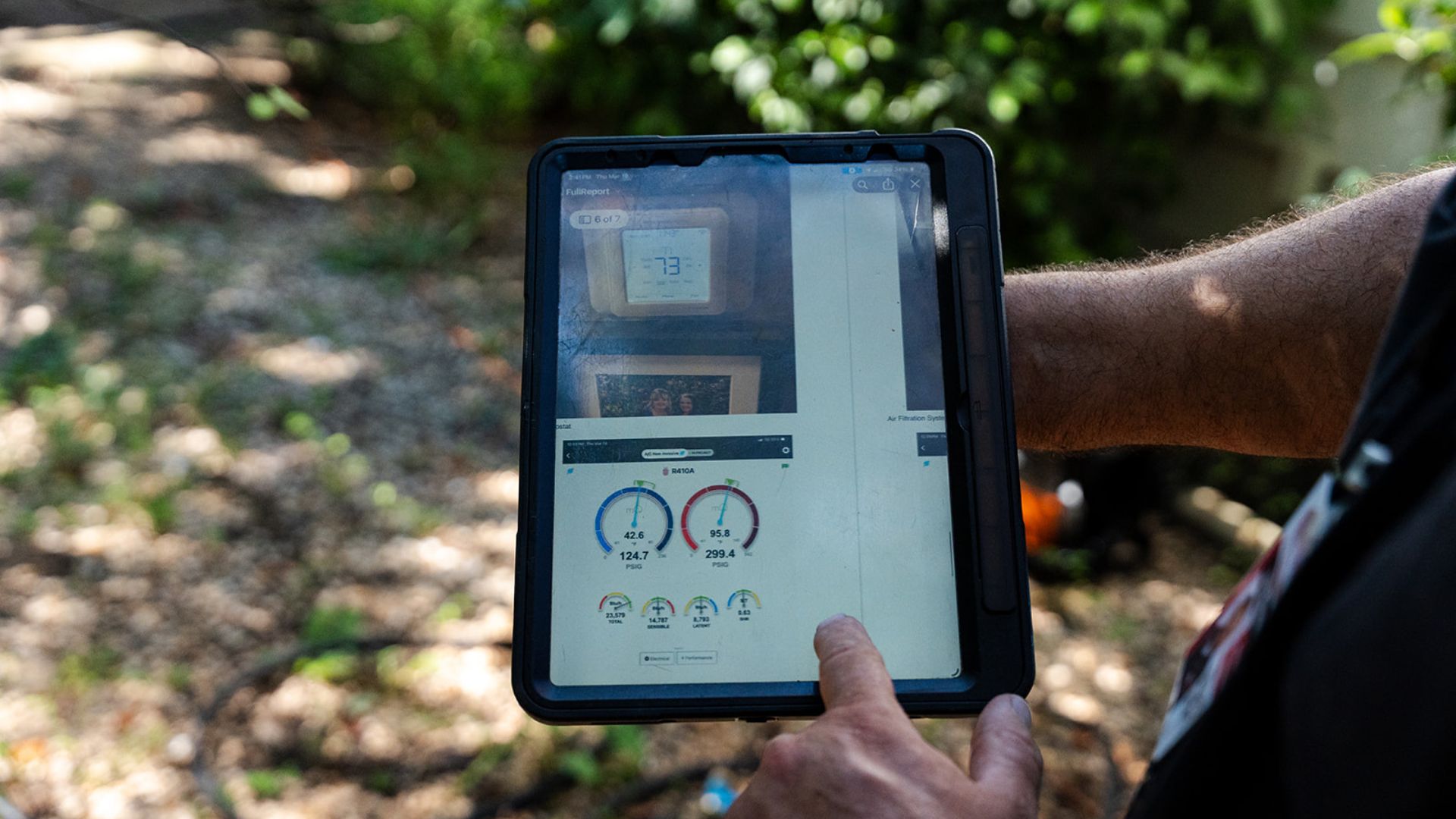
For Ray O. Cook, there is also a brand-level trust advantage: We emphasize detailed inspections, clear communication, and digital diagnostics through measureQuick, which is a way to collect precise system performance data and detect inefficiencies or potential breakdowns early.

The practical benefits of a tune-up usually fall into four categories:

Better efficiency, because clean components and verified system settings help the AC avoid unnecessary strain.

Fewer breakdowns, because maintenance can identify worn or failing parts before they cause a total loss of cooling.

Longer equipment life, because regular service helps reduce avoidable wear over time.

Better visibility into system condition, especially when technicians provide findings and recommendations after testing.

Digital diagnostics can help pinpoint systems that are operating inefficiently and wasting money, reinforcing the idea that maintenance is not just about cleanliness but about performance verification.

When a Tune-Up May Not Be Enough

A tune-up is not the same as a repair. If the AC is blowing warm air, short cycling, leaking, or making loud mechanical noises, the system may need a diagnostic repair visit instead of routine maintenance alone.

FAQ

Is an AC tune-up worth it for my home?

For most homes, yes. An AC tune-up is worth it because it helps the system run more efficiently, can reduce the risk of breakdowns, and gives a technician the chance to catch small issues before they become costly repairs.
In Sacramento, where summer heat and dust increase system strain, regular maintenance is especially important.

How often should I schedule an AC tune-up?

Ray O. Cook recommends professional HVAC service twice a year overall, including one spring visit for air conditioning tune-ups and one fall visit for heating preparation.
That schedule helps prepare the system for seasonal demand and address small issues early.

What is included in an AC tune-up?

According to Ray O. Cook’s Sacramento page, maintenance visits include a multi-point inspection of coils, controls, refrigerant levels, electrical connections, and thermostat calibration, followed by a summary of findings and recommendations.
​ Industry guidance from Carrier also describes tune-ups as including inspection, cleaning, and performance checks.

Will a tune-up lower my energy bill?

It can help, especially if the system has dirty components, airflow restrictions, or minor performance issues that are making it work harder than necessary.
Ray O. Cook also states that digital diagnostics can identify systems operating inefficiently and wasting money.

What if my AC is already having problems?

If the system is blowing warm air, making unusual noises, leaking, or cycling on and off too often, a repair diagnosis may be needed rather than a standard tune-up alone.
A blog can mention this clearly while inviting homeowners to schedule an evaluation if they are unsure.

For Sacramento-area homeowners, the strongest version of this topic is not just “yes, tune-ups matter,” but “yes, and a real tune-up should give you clear data, honest feedback, and confidence before summer.” Ray O. Cook Heating & Air is your long-standing, trusted local HVAC contractor, offering preventive maintenance and modern diagnostics, with service in Sacramento and Roseville and a legacy dating back to 1947.


HVAC Maintenance

AC Tune‑Up in Sacramento

air conditioner maintenance sacramento

AC Tune‑Up in Sacramento

Air Conditioner Tune‑Up in Sacramento: How a Pro HVAC Check Saves You Money

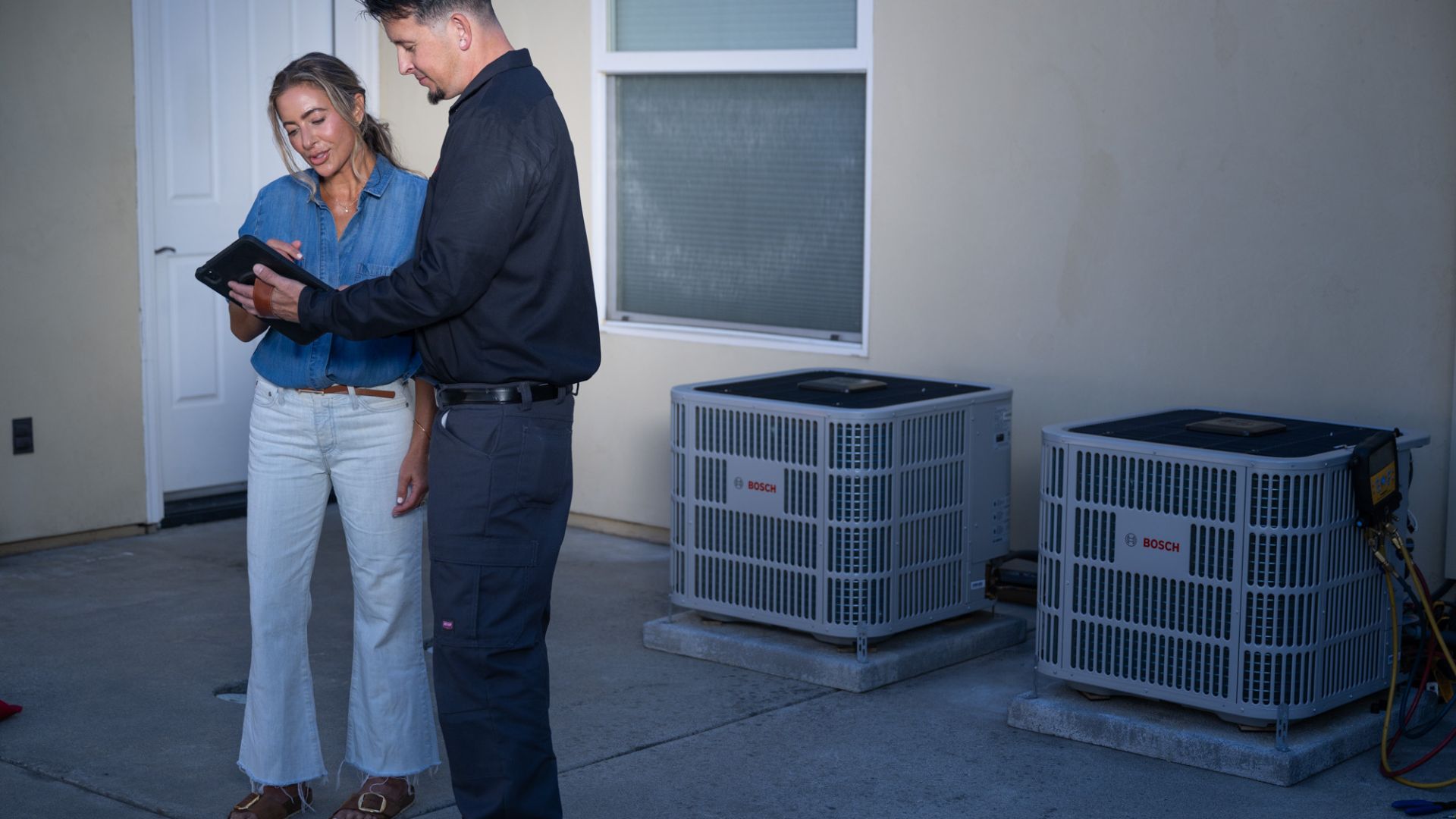
When summer hits the Sacramento area, your air conditioner has to work hard to keep your home comfortable. A professional AC tune‑up from Ray O. Cook Heating & Air makes sure your system is ready before the first real heat wave, helping you avoid surprise breakdowns and high energy bills. As a locally owned company that has served homeowners since 1947, we treat every tune‑up like an investment in your comfort and peace of mind.

What Is an AC Tune‑Up?

A true AC tune‑up is a detailed, start‑to‑finish inspection and adjustment of your cooling system, not just a quick visual check and hose‑down. Our technicians verify that your equipment is clean, safe, properly charged, and operating within manufacturer guidelines. The goal is simple: restore performance, improve efficiency, and catch small issues before they turn into big, expensive problems.

Key Steps in a Professional AC Tune‑Up

You don’t need to be an HVAC expert to understand what we do during a visit. Here are some of the key steps our technicians perform during a typical tune‑up:

Inspecting and Replacing Air Filters

We inspect your air filter and recommend replacement if it’s dirty or clogged. A clean filter supports healthy airflow, helps protect your equipment from dust and debris, and can improve indoor air quality.

Cleaning the Outdoor Condenser Unit

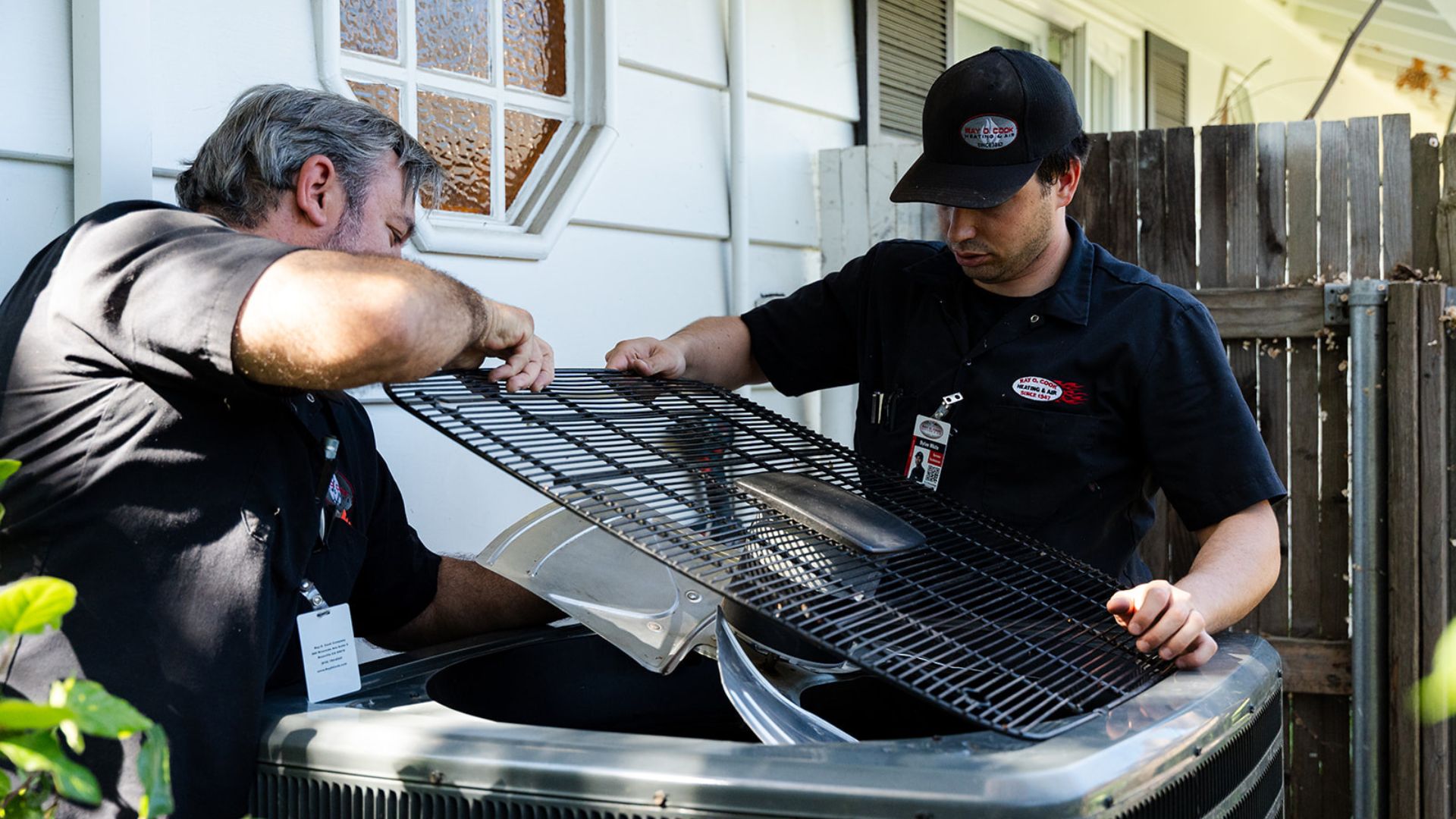
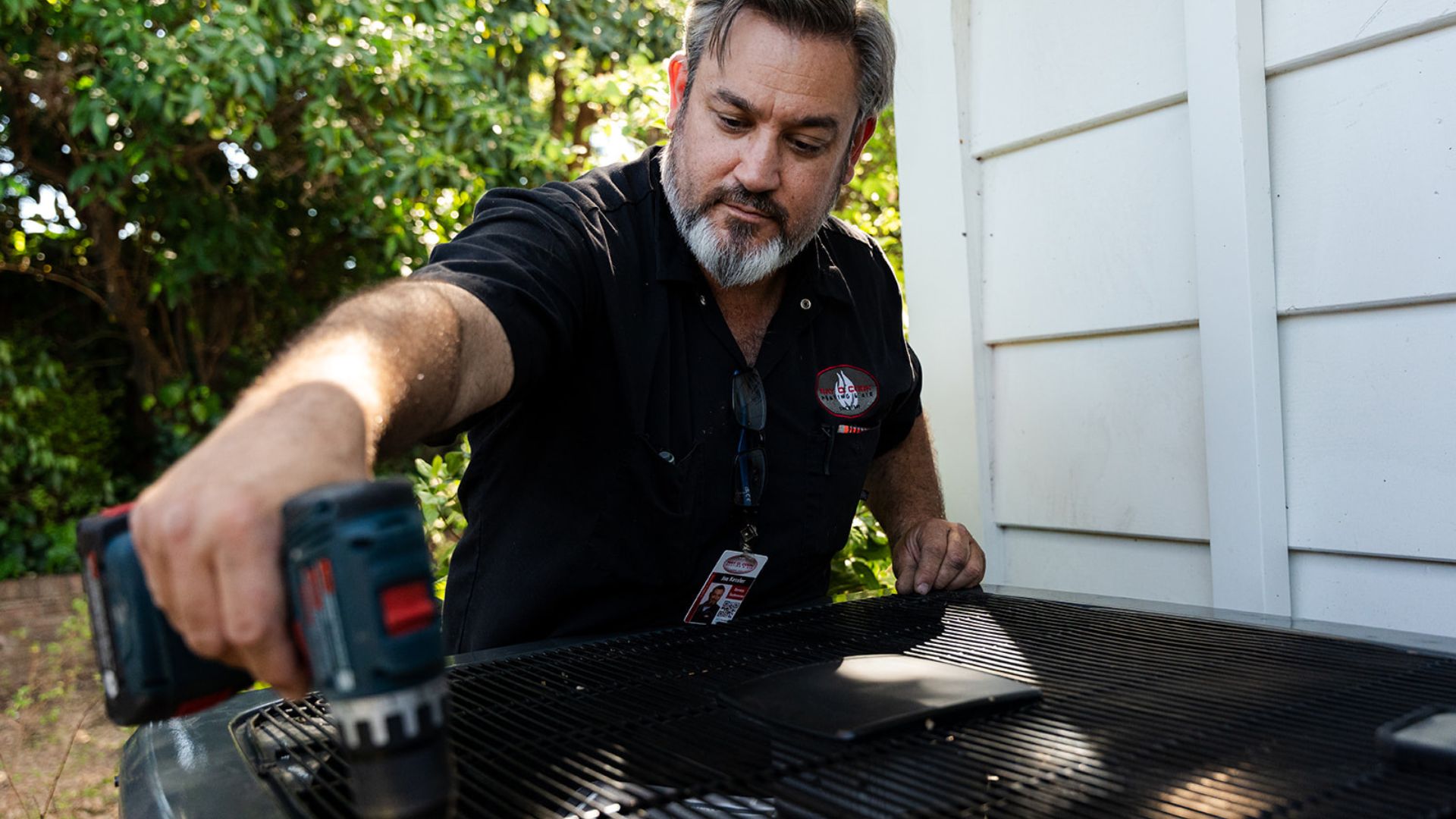
We clear debris around the outdoor unit, visually inspect the condenser, and clean the coil surface as needed. When the coil is clean and air can move freely, your system doesn’t have to work as hard to move heat out of your home.

Checking Refrigerant Levels and System Pressures

Our technicians use gauges and temperature readings to check refrigerant levels and operating pressures. If readings are outside the normal range, it can indicate a leak, restriction, or other performance issue that needs attention.

Tightening Electrical Connections and Lubricating Moving Parts

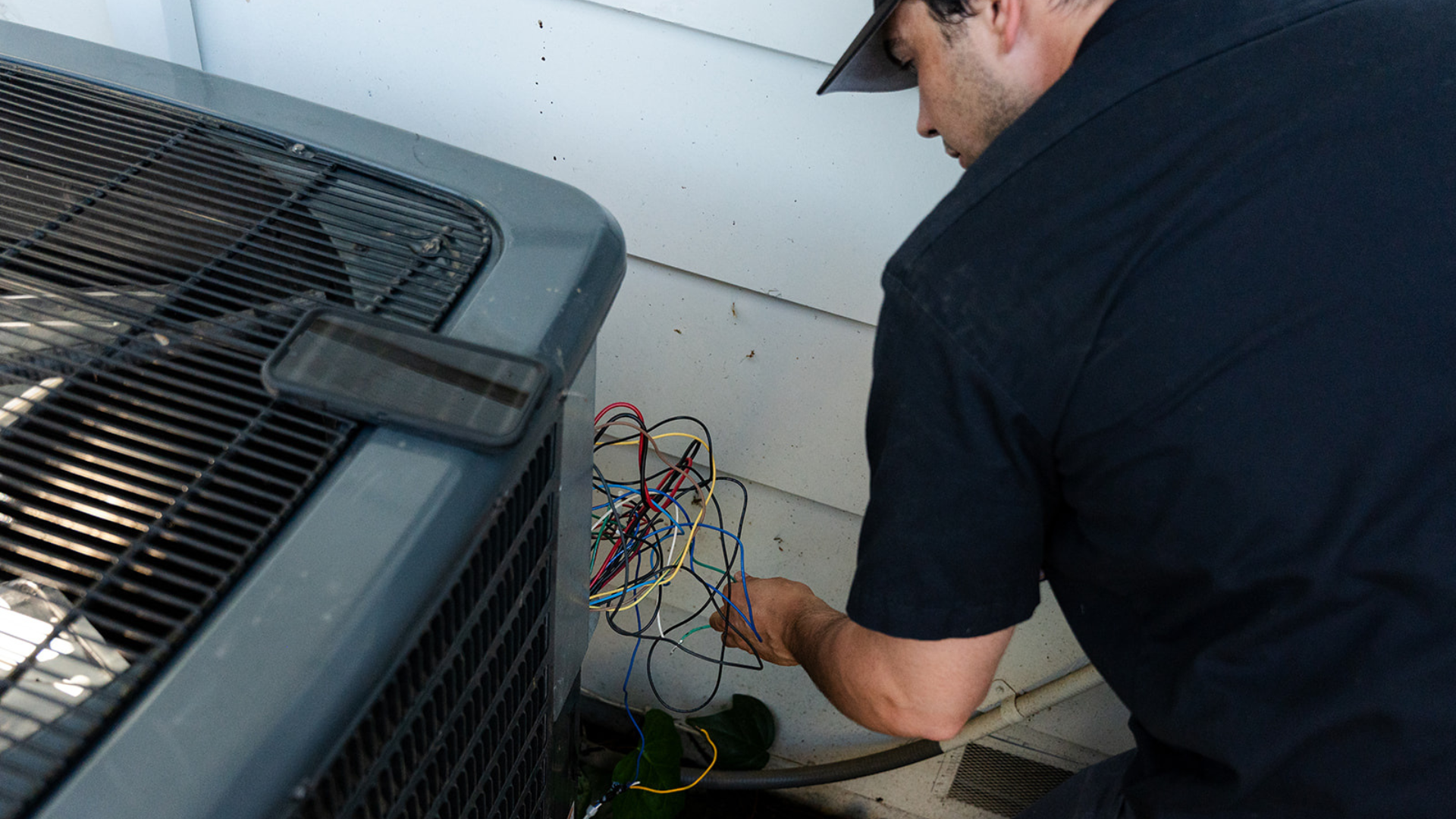
Loose electrical connections, worn components, and dry moving parts can cause nuisance shut‑offs or premature failures. We inspect and tighten connections where appropriate and lubricate manufacturer‑approved points to support smooth operation.

Verifying Thermostat Operation and Airflow

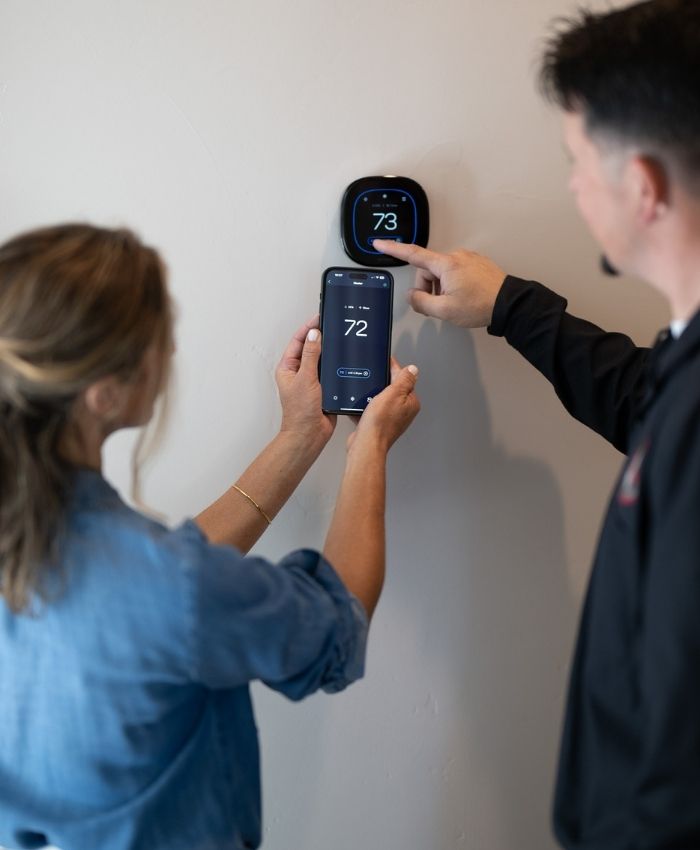
We confirm that your thermostat is responding correctly, that your system is cycling on and off properly, and that supply and return airflows feel consistent at the registers. If something seems off, we’ll investigate further and explain what we find.

How Often Should Sacramento Homeowners Schedule Tune‑Ups?

Most manufacturers recommend a professional tune‑up once a year for central air systems. For Sacramento‑area homes that see heavy summer use, we generally suggest scheduling service in the spring, before temperatures spike. Yearly maintenance helps keep your warranty in good standing, reduces the likelihood of surprise breakdowns, and can extend the life of your system.

Benefits: Lower Bills, Fewer Breakdowns, Better Comfort

A well‑maintained AC system doesn’t just run; it runs better. Homeowners often notice shorter run times, more even temperatures from room to room, and fewer hot‑and‑cold spots after a thorough tune‑up. Over the long term, regular maintenance can reduce repair frequency, delay the need for replacement, and help keep energy costs under control.

Why Homeowners Trust Ray O. Cook Since 1947

Ray O. Cook Heating & Air has been serving local families for decades because we focus on honest workmanship, clear communication, and reliable results. We’re locally owned and operated—not part of a large corporate roll‑up—so you get a team that knows the area, understands how our climate affects your equipment, and stands behind the work. Our technicians take the time to explain what they find, answer your questions, and give you straightforward options.

Schedule Your AC Tune‑Up in Sacramento, Rancho Cordova, or Roseville

If your air conditioner hasn’t had a professional tune‑up in the last year, now is the perfect time to schedule. We serve homeowners throughout Sacramento, Rancho Cordova, Roseville, and the surrounding communities with convenient appointment windows and friendly, experienced technicians. Call us today or request service online to get your AC ready for the season.

Common AC Repair Problems in Roseville CA Homes

ac tune up sacramento

Common AC Repair Problems in Roseville CA Homes

Common AC Repair Problems in Roseville, CA Homes

When your AC stops performing in Roseville, it rarely happens without warning. Most air conditioning failures follow a pattern, a gradual decline that shows up as a warm room, a strange noise, or a utility bill that’s suddenly much higher than last month. Knowing what to look for helps you catch problems early, which is almost always cheaper than waiting until something fails.

Here are the seven most common AC repair problems seen in Sacramento Valley homes, what causes them, and how to know when a repair is enough, or when it’s time to think about hvac replacement.

1. Capacitor Failure

What it is: Capacitors are cylindrical electrical components that provide the power boost to start the compressor and fan motors. They’re the most commonly replaced parts in residential AC systems across the Sacramento Valley.

What causes it: Capacitors wear out with age and heat stress. Roseville’s extended summers — where an AC system might run 10–12 hours a day for months — accelerate this wear significantly.

How to recognize it: Your AC unit may hum but fail to start, or the outdoor fan spins slowly before stopping. The system might turn on briefly, then shut off.

Repair or replace? Capacitor replacement is one of the most affordable AC repairs, typically $150–$300. If your system is otherwise in good shape, this is a straightforward repair worth doing.

2. Refrigerant Leaks

What it is: Refrigerant is the substance that absorbs heat from your home’s air and transfers it outside. A leak means your system can’t do its job and it also means refrigerant is being released into the atmosphere.

What causes it: Vibration over time can cause small cracks or pinhole leaks in refrigerant lines or the evaporator coil. Poor installation or physical damage to the outdoor unit can also cause leaks.

How to recognize it: Your home takes longer to cool, or never quite reaches the set temperature even on moderate days. Ice buildup on the refrigerant lines or evaporator coil is another indicator.

Repair or replace? A small leak in accessible lines can be repaired and the system recharged. If the leak is in the evaporator coil itself, repair costs can approach or exceed the cost of a new system — especially for older units still using R-22 refrigerant, which is now extremely expensive and difficult to source.

3. Frozen Evaporator Coil

What it is: The evaporator coil, located in the indoor air handler, freezes when airflow is restricted or refrigerant is low paradoxically causing the AC to blow warm air despite running constantly.

What causes it: A clogged air filter is the most common culprit. Blocked return air vents, a failing blower motor, or low refrigerant charge can all cause the same problem.

How to recognize it: Warm air from supply registers, visible ice on the refrigerant line near the indoor unit, or water dripping from the air handler.

Repair or replace? First, turn the system to fan-only mode to allow the coil to thaw — never try to chip away ice. Then check and replace the air filter. If the problem recurs, call for service to determine whether it’s a refrigerant or airflow issue.

4. Dirty Condenser Coils

What it is: The condenser coil in your outdoor unit releases heat from the refrigerant to the outside air. When it’s coated in dirt, leaves, or cottonwood debris — common in Roseville yards — heat transfer is severely impaired.

What causes it: Normal outdoor exposure, combined with the fine dust and particulates common in Sacramento Valley air during dry months.

How to recognize it: The system runs longer without cooling effectively, or the compressor overheats and trips its internal safety switch, causing the system to shut down unexpectedly.

Repair or replace? This is a maintenance issue, not a repair; professional coil cleaning resolves it. Left unaddressed, however, compressor overheating can eventually cause permanent compressor failure, which is typically a replacement situation.

5. Blower Motor Problems

What it is: The blower motor drives the fan that circulates conditioned air through your ductwork. When it fails or weakens, airflow drops and your system loses most of its effectiveness.

What causes it: Motor wear over time, capacitor failure (see above), or debris entering the motor housing. In older Roseville homes, original motors that have never been replaced are particularly vulnerable.

How to recognize it: Weak airflow from supply vents, a grinding or squealing noise from the air handler, or the system running without moving much air.

Repair or replace? Blower motor replacement costs $300–$600 and is worth doing on a system less than 10 years old. On an older system with multiple other worn components, weigh the repair cost against replacement value.

6. Thermostat Malfunctions

What it is: A faulty thermostat can cause the system to short-cycle, fail to turn on, or run continuously without reaching the set temperature — mimicking symptoms that look like bigger problems.

What causes it: Dead batteries, wiring issues, dust accumulation on sensor components, or failure of the thermostat itself.

How to recognize it: Temperature readings that seem inaccurate, the system not responding to setpoint changes, or erratic cycling behavior.

Repair or replace? A thermostat replacement is typically $150–$350 installed, one of the lower-cost AC repairs. Upgrading to a programmable or smart thermostat can also pay back in energy savings on SMUD or PG&E billing.

7. Drainage and Pan Issues

What it is: Your AC removes significant humidity from indoor air, and all that moisture has to drain somewhere. A clogged condensate drain or a cracked drain pan causes water to back up and can trigger a float switch that shuts the system down.

What causes it: Algae growth in the drain line (extremely common in Sacramento Valley’s warm climate), debris blockages, or a pan that has developed cracks with age.

How to recognize it: Water pooling near the air handler, musty smells from supply vents, or a system that shuts off unexpectedly and won’t restart.

Repair or replace? Drain cleaning is inexpensive preventive maintenance. Pan replacement is a moderate repair. Neither should drive a replacement decision on its own.

When HVAC Repair Isn’t Enough

If you’re facing a compressor failure on a system over 12 years old, a refrigerant leak in the evaporator coil combined with high repair costs, or you’re looking at multiple failing components simultaneously, replacement often makes more financial sense than repair. A rule of thumb: if the repair cost exceeds 50% of the cost of a new system, and the system is more than 10 years old, replacement is worth serious consideration.

Get an Honest Assessment from Ray O. Cook

Ray O. Cook Heating & Air has been diagnosing and repairing AC systems in Roseville since 1947. We give you a straight assessment. What’s wrong, what it costs to fix, and whether it’s worth fixing. No unnecessary upsells.

Call (916) 908-3289 or contact us online to schedule AC repair service in Roseville and the surrounding Sacramento area.

Tips to Lower Your Air Conditioning Bills During the Summer

air conditioner install sacramento

Tips to Lower Your Air Conditioning Bills During the Summer

How Air Conditioning Systems Work

Air conditioning systems are marvels of modern engineering, designed to provide comfort by regulating indoor temperatures. At the heart of these systems lies the refrigeration cycle, a process that involves the continuous circulation of a refrigerant through various components such as compressors, evaporators, and condensers. Understanding these basic mechanics can help you appreciate the complexity and efficiency of your air conditioning system, as well as the importance of regular maintenance to keep it running smoothly.

Knowing the specifics of your air conditioning model is equally important for optimizing its efficiency—especially during the summer, when AC use is bound to rise. Familiarizing yourself with your unit’s specifications allows you to tailor its usage to your home’s unique needs, ensuring that you’re not overworking the system or wasting energy.

Identifying Inefficiencies in Your Air Conditioning System

Common inefficiencies often stem from simple issues such as dirty filters, which can obstruct airflow and force the system to work harder than necessary. Leaks in ductwork or refrigerant lines are another common culprit, leading to loss of cooled air and increased energy consumption. Outdated thermostats can also contribute to inefficiencies, causing the system to cycle on and off more frequently than needed.

By identifying and addressing these inefficiencies early, you can reduce energy consumption, lower your bills, and extend the life of your air conditioning system.

Setting the Right Temperature In Your Home

During the hotter months, it’s recommended to set your thermostat to around 78 degrees Fahrenheit when you’re home and awake. This temperature strikes a balance between comfort and energy efficiency. When you’re away from home or asleep, consider setting the thermostat a few degrees higher to maximize savings. According to energy experts, each degree you raise the thermostat can save you up to 3% on cooling costs.

Utilizing Programmable and Smart Thermostats

Programmable and smart thermostats allow you to set cooling schedules that align with your daily routine, ensuring your home is only cooled when necessary. Smart thermostats take this a step further by learning your habits over time and making automatic adjustments to optimize efficiency. Many smart thermostats also offer mobile apps, allowing you to adjust settings remotely and receive energy usage reports.

Improving Home Insulation

Insulation acts as a barrier, preventing the transfer of heat between the inside and outside of your home. Key areas to focus on include walls, attics, and windows, as these are common sources of heat gain. Upgrading your home’s insulation can lead to significant energy savings and a more comfortable living space.

Using Fans and Ventilation Wisely

Ceiling fans create a wind-chill effect that can make a room feel cooler, allowing you to raise the thermostat setting without sacrificing comfort. Taking advantage of natural ventilation by opening windows during cooler parts of the day can help circulate fresh air and reduce the need for air conditioning.

Routine Maintenance Tasks

Regular maintenance is essential for keeping your air conditioning system running efficiently. Simple tasks such as cleaning or replacing air filters every one to three months can significantly improve airflow and system performance. Checking refrigerant levels is another important maintenance task, as low levels can indicate leaks or other issues.

Considering System Upgrades

Older systems often lack the energy-saving features found in newer models. Upgrading to a more energy-efficient model can result in significant long-term savings on your utility bills. Modern systems often come with advanced features such as variable-speed compressors and smart thermostats.

Reducing Heat Gain in Your Home

Simple measures such as using shades, blinds, or curtains can block out direct sunlight and keep indoor temperatures cooler. Reflective films applied to windows can also reduce heat gain. Landscaping can play a role as well, with strategically placed trees and shrubs providing natural shade and cooling.

Adopting Energy-Saving Habits

Simple actions such as turning off unused electronics and lights can prevent unnecessary heat generation. Closing doors to unused rooms helps contain cooled air in occupied spaces. Using appliances such as ovens and dryers during cooler parts of the day can prevent excess heat buildup in your home.

Keep AC Costs Low with Ray O. Cook Heating & Air

If you’re looking to optimize your air conditioning system and improve your home’s energy efficiency this summer, Ray O. Cook Heating & Air is here to help. Our team of experienced AC professionals can provide expert advice, routine maintenance, and system upgrades tailored to your specific needs.

Ray O. Cook Heating & Air is available by phone at (916) 908-3289 or you can always send us a message online.


What’s Included in an AC Tune-Up in Roseville, CA?

air conditioner tune up sacramento

What’s Included in an AC Tune-Up in Roseville, CA?

What’s Included in an AC Tune-Up in Roseville, CA?

If you’ve ever wondered whether an AC tune-up is actually worth the cost, you’re not alone. Many Roseville homeowners assume their system is fine as long as it’s still blowing cold air. But by the time your AC shows obvious signs of trouble, inconsistent cooling, strange noises, and skyrocketing energy bills, the problem has usually been building for months. A professional AC tune-up in Roseville, CA, catches those problems before they become expensive repairs, and scheduling it in spring puts you ahead of the curve before triple-digit temperatures arrive.

Here’s exactly what a qualified HVAC technician does during a proper tune-up — and why skipping it in a Sacramento Valley summer is a risk not worth taking.

What a Professional AC Tune-Up Actually Covers
A tune-up is not just a filter swap and a glance at the thermostat. A thorough AC tune-up in Roseville, CA, involves a systematic inspection and service of every major component in your system.

Coil Cleaning

Your AC has two coils — the evaporator coil inside and the condenser coil in the outdoor unit. Both collect dirt over time. A dirty evaporator coil reduces the system’s ability to absorb heat from your home’s air. A fouled condenser coil can’t release that heat efficiently outside, causing the compressor to work harder and wear out faster. Technicians clean both coils using approved coil cleaner to restore heat transfer efficiency.

Refrigerant Level Check

Your AC doesn’t “use up” refrigerant — if the level is low, there’s a leak somewhere. During a tune-up, the technician measures system pressure to verify refrigerant charge is within manufacturer specifications. An undercharged system runs continuously without reaching your set temperature, wasting energy and stressing the compressor. If a leak is found, it’s repaired, and the refrigerant is recharged.

Electrical Inspection and Testing

Loose wiring, corroded contacts, and failing capacitors are among the most common causes of AC breakdowns in Roseville — and they’re largely invisible until they fail. A tune-up includes checking all electrical connections, testing capacitors with a multimeter, and inspecting the contactor that controls power to the compressor. Catching a $25 capacitor before it fails saves you an emergency service call in August.

Blower Motor and Airflow Check

Restricted airflow is one of the fastest ways to strain your AC system. The technician checks the blower motor, measures airflow, and inspects the condition of your air filter. They’ll also inspect the return air ducts for visible leaks or blockages that reduce system efficiency.

Condensate Drain Inspection

Your AC removes humidity from the air as it cools, and that moisture drains through a condensate line. A clogged drain can cause water damage to your ceiling or walls, or trigger a safety shutoff that stops your system from running entirely. Technicians flush the drain and verify proper flow.

Thermostat Calibration

A thermostat that reads two or three degrees off causes your system to run longer than necessary or short-cycle before your home reaches the set temperature. The technician verifies calibration and checks that the system responds correctly to temperature changes.

Overall System Performance Test

After servicing individual components, the technician runs the system through a full cooling cycle to measure temperature differential (the difference between return air and supply air temperatures). A properly functioning AC should produce a 15–20°F temperature drop across the evaporator coil. Anything outside that range indicates a problem worth investigating.

Why Spring Is the Right Time for an AC Tune-Up in Roseville

Roseville summers routinely push past 105°F, and the Central Valley heat season can extend from May through October. By June, HVAC companies across the Sacramento region are fully booked with emergency calls — getting a tune-up appointment can mean a week-long wait while your system struggles in the heat.

Scheduling your AC tune-up in Roseville in April and May means:

You get your preferred appointment time, not whatever’s left during peak demand

Any parts that need ordering can be sourced before summer stock runs low

If a more significant repair or replacement is needed, you have time to plan and budget without the pressure of a heat advisory

It also means your system enters the season at peak efficiency, which matters for your energy bill. A properly tuned AC can use 5–15% less electricity than a neglected one, according to the U.S. Department of Energy. For a Sacramento Valley home running its AC six or more months a year, that adds up quickly on your PG&E or SMUD bill.

Is an AC Tune-Up Worth the Cost?

A professional tune-up typically runs $75–$150 in the Roseville market. Consider what you’re protecting: the average central AC system costs $4,000–$8,000 to replace. A tune-up that extends your system’s life by even two or three years more than pays for itself. Add in energy savings and avoided emergency repair calls, and the math is straightforward.

The tune-up also gives you an honest picture of your system’s condition. If a technician finds that your 15-year-old system has a failing compressor, you’d rather know that in April than on a Saturday in July.

Schedule Your Spring AC Tune-Up with Ray O. Cook

Ray O. Cook Heating & Air has served Roseville and the greater Sacramento Valley since 1947. Our technicians perform thorough, honest AC tune-ups with no upsell pressure — just a complete inspection and a straight assessment of your system’s condition.

Call us at (916) 908-3289 or contact us online to schedule your spring AC tune-up in Roseville before the calendar fills up.


Signs Your HVAC Needs Immediate Attention in Roseville

air conditioner tune up

Signs Your HVAC Needs Immediate Attention in Roseville

On a typical Roseville afternoon, your air conditioner might run almost nonstop and still leave parts of your home feeling warm and stuffy. Maybe you hear a new rattle from the outside unit, smell something odd from a vent, or notice the system shutting off and starting again every few minutes. It is easy to chalk it up to “just a hot day,” but a small change in how your system runs can be the first sign of a bigger problem.


When your home comfort is on the line, guessing is stressful. You do not want to ignore a real warning sign and end up without cooling in a heatwave, and you also do not want to call for an urgent repair every time your system acts a little different. You are probably asking yourself if you can safely wait, or if this is one of those “call now” situations that could protect your equipment, your budget, and your peace of mind.


At Ray O. Cook Heating & Air, we have been keeping homes across the Greater Sacramento Area, including Roseville, comfortable since 1947. Over those 75+ years, we have seen how small symptoms turn into major breakdowns when summer hits our region hard. In this guide, we will walk through the most serious HVAC repair signs we see in Roseville homes, explain what they usually mean, and share how our team uses modern tools and decades of field experience to tell the difference between an annoyance and an emergency.


Why Certain HVAC Signs Matter More in Roseville Homes


Roseville summers are not gentle on HVAC systems. Long stretches of 90- to 100-degree days keep air conditioners running for hours at a time, while outdoor units sit in direct sun or heat-trapping side yards. That constant demand pushes compressors, fans, and electrical components close to their limits, especially in older systems or those without regular maintenance.


In this climate, the line between “working hard” and “working too hard” can be hard to spot. Many homeowners assume nonstop run time, weaker cooling late in the day, or a louder outdoor unit are just part of life in the Sacramento Valley. In reality, these patterns often hide problems such as restricted airflow, low refrigerant, or failing capacitors that are already stressing the system.


Major breakdowns rarely happen without warning. More often, subtle changes appear first: rooms that never feel comfortable, systems that run longer than they used to, or energy bills that slowly climb. Knowing what to watch for in a Roseville home allows you to address issues early—before a heatwave turns them into emergencies.


Because Ray O. Cook Heating & Air has served Greater Sacramento since 1947, we know how a healthy system behaves during a typical Roseville summer—and which “quirks” almost always lead to service calls. This guide is built on that local experience.


Constant Running or Short Cycling: When Run Time Is a Red Flag

How long your HVAC system runs says a lot about its condition. Constant running means the system operates nearly nonstop and still struggles to reach the set temperature. Short cycling is the opposite—frequent starts and stops within minutes. Both patterns strain equipment and usually signal underlying problems.


On triple-digit afternoons, longer run times can be normal. Concern arises when constant running happens on milder days or when the thermostat never reaches its setting. Common causes include low refrigerant from a leak, dirty coils that can’t release heat, or airflow and duct issues that prevent cool air from reaching living spaces.


Short cycling creates a different type of stress. Each startup sends a surge of electrical current through motors and the compressor. Repeated cycling increases the risk of capacitor failure, compressor damage, and overheating. Triggers often include oversized equipment, thermostat issues, clogged filters, blocked returns, or safety switches shutting the system down.


Both issues often show up on SMUD or PG&E bills. A system that runs too long or starts too often uses more energy while delivering less comfort. Many Roseville homeowners notice a billing spike before realizing their system’s behavior changed weeks earlier.


When we respond to these issues at Ray O. Cook Heating & Air, we rely on measurements—not guesses. We inspect filters and coils, review thermostat settings, and measure temperature splits, airflow, refrigerant charge, and electrical values. That data tells us whether the solution is a simple airflow fix or a more serious mechanical or electrical repair.


Warm Air, Weak Airflow, and Hot or Cold Spots

Feeling warm or barely cool air from vents is one of the most common complaints we hear. In many homes, airflow feels strong in one room and weak in another. Two-story Roseville homes often struggle with hot upstairs rooms while the downstairs stays comfortable.


These problems usually trace back to airflow or distribution issues. The blower must move enough air across the indoor coil and through the duct system. Clogged filters, dirty coils, or failing blower motors reduce airflow and cause rooms to heat up. In other cases, aging or damaged ductwork—especially older flex duct in attics—restricts air delivery from the start.


Warm air from vents while the outdoor unit is running often points to refrigerant or coil issues. If the indoor coil can’t absorb heat properly, the system may blow air that’s only slightly cooler than the room, forcing long run times and leaving upstairs spaces uncomfortable by late afternoon.


Hot and cold spots are sometimes made worse when vents are closed to “push” air elsewhere. Closing too many vents increases duct pressure, reduces overall airflow, and can make systems noisier and less efficient without fixing comfort problems.


When we evaluate these issues, we look beyond the outdoor unit. Our technicians inspect filters, coils, attic duct runs, and temperature differences throughout the home. Decades of local experience help us identify whether the problem is distribution-related or a failing component, so the solution actually lasts.


Unusual Noises That Need Immediate Attention

Every HVAC system makes some noise. The concern is new, sharp, or harsh sounds that appear suddenly. Grinding, screeching, banging, or loud rattling are all warning signs.


A high-pitched squeal often points to blower motor bearing failure. If that motor locks up, airflow stops, coils can freeze, and other components are stressed. Rattling or clanking from the outdoor unit may involve loose panels, unbalanced fan blades, or internal parts shifting inside the cabinet.


Loud banging at startup can indicate compressor stress or internal damage. Grinding noises are especially serious—metal-on-metal contact rarely resolves itself and often leads to seized motors or compressor failure if ignored.


At Ray O. Cook Heating & Air, we’ve heard thousands of systems across Greater Sacramento. Often, noise descriptions allow us to narrow down the issue before arrival. Acting quickly can mean replacing one part instead of facing major component failure later.


Burning Smells, Musty Odors, and Electrical Warning Signs


Smells are powerful indicators. A brief dusty smell at the start of heating season is normal. Persistent or strong odors are not.


Burning plastic or electrical smells can indicate overheating wiring, motors, or components. These smells mean something is operating hotter than it should—especially concerning if accompanied by flickering lights or tripped breakers. Turning the system off and calling for service is the safest response.


Musty or moldy odors usually point to moisture problems. Clogged drain lines, standing water in drain pans, or wet insulation and ductwork can introduce unpleasant smells when the system runs.


Electrical issues are just as critical. A breaker that trips repeatedly when the system starts or runs briefly indicates excessive current draw or wiring problems. Repeatedly resetting breakers does not solve the issue and can be unsafe.


Our technicians treat these signs seriously. We inspect electrical connections, measure current draw, and check safety controls. For odor issues, we examine drainage, coil condition, and surrounding ductwork to identify where moisture is collecting and why.


Energy Bill Spikes or Ice on Lines: Hidden Signs of Strain
Not all warning signs are obvious. A sudden increase in your energy bill—without major changes in weather or thermostat settings—often means your system is losing efficiency. Dirty coils, poor airflow, or low refrigerant force longer run times for the same level of comfort.


Ice on refrigerant lines or the outdoor unit is another misunderstood sign. Ice does not mean the system is cooling well. It usually indicates low airflow or low refrigerant pressure. Ice blocks heat transfer, worsens airflow, and can damage the compressor.


Running an iced-up system risks water damage when the ice melts and can trigger safety shutdowns. If you see ice, turning the system off and letting it thaw before calling for service is the right first step.


When we address these hidden signs at Ray O. Cook Heating & Air, we focus on the root cause—cleaning coils, correcting airflow, or identifying refrigerant leaks—so your system operates within its proper range and delivers reliable comfort through Roseville’s toughest summer days.


If you are noticing any of the signs described here in your Roseville home, you do not have to wait and wonder. Reach out so we can take a closer look, protect your comfort, and help you avoid bigger HVAC problems down the road.

Signs It’s Time to Upgrade Your Heating System

furnace service near me

Signs It’s Time to Upgrade Your Heating System

Upgrading your home’s heating system is a decision that can significantly impact your comfort, energy bills, and overall quality of life. Many homeowners in Roseville, CA, may not realize how an outdated or malfunctioning system is negatively affecting their homes. From increasing energy bills to compromised air quality, recognizing when it’s time to upgrade your heating system is crucial. Here, we’ll outline the signs indicating that your heating system may be past its prime and discuss the benefits of making that important shift toward a more efficient model. With the right information, you can make informed decisions that lead to better energy savings and enhanced home comfort.

High Energy Bills Despite Regular Use
If you’ve noticed a continual rise in your energy bills without any corresponding increase in usage, your heating system could be to blame. Older systems often become less efficient over time, drawing more power to produce the same amount of heat due to wear and tear on its components. This inefficiency not only affects your wallet but also leads to increased energy consumption. In Roseville, CA, where diverse climates put varied demands on HVAC systems, ensuring that your heating system doesn’t consume excess energy is vital. An inefficient system often runs longer to reach the desired temperature, leading to ineffectual energy utilization and skyrocketing bills.

Inconsistent Room Temperatures
A telltale sign of an ailing heating system is when some rooms in your house are cozy and warm while others remain stubbornly chilly. This imbalance is often a direct result of an underperforming or inadequately sized unit that struggles to distribute heat evenly. It can be quite frustrating to find comfort elusive in certain areas of your home, particularly during the colder months. Room-to-room temperature fluctuations not only highlight an underlying inefficiency but also compromise your home’s overall comfort. This inconsistency is worth investigating and may prompt the consideration of a system upgrade to ensure uniform comfort throughout your house.

Constant Repairs and Maintenance Issues
When you’re consistently scheduling service calls and shelling out for repairs, it’s important to weigh these costs against the benefits of investing in a new heating system. Frequent breakdowns not only cause discomfort but are indicative of a system that may be beyond simple repairs. In Roseville, CA, businesses like Ray O. Cook Heating & Air understand that a constantly failing system not only disrupts your routine but also signals that it’s time to evaluate a replacement. Upgrading will minimize maintenance challenges and ensure reliable performance, contributing to a much more comfortable and hassle-free living experience.

Understanding Age Limitations (15+ Years)
Like most home appliances, heating systems have a finite lifespan. Typically, these systems are designed to last about 15 years. Beyond this point, they often start to show signs of wear that decrease their efficiency and reliability. If your heating system is over 15 years old, it’s probably utilizing outdated technology, which isn’t equipped to meet current standards of energy efficiency and comfort. In Roseville, CA, with its variable climate, having an updated system can make a substantial difference in managing indoor temperatures effectively.

Lack of Modern Features
Modern heating systems come with a plethora of features designed to enhance your home’s comfort and efficiency. Innovations such as smart thermostats allow you to control temperatures more precisely and even remotely, while zoned heating provides targeted comfort in particular areas of your home without wasting energy in uninhabited spaces. Older models typically lack these features, which can limit your ability to efficiently manage your home’s climate. By upgrading, you not only improve energy consumption but also integrate convenience and control into your home heating solution, making everyday living more comfortable and efficient.

Unusual Noises and Odors
If your heating system starts emitting clanking noises or worrying odors, it’s a red flag that something is amiss. These could be indicators of mechanical issues like loose parts, wear, or even impending failure. The sounds may range from benign squeals to severe pops and bangs that are often symptomatic of deeper-set issues. Similarly, strange smells, especially those resembling burnt material, should never be ignored as they might indicate components overheating, or, in some cases, a hazardous situation like a vent leak. Addressing these symptoms with timely upgrades can prevent risks and ensure your unit operates smoothly.

Difficulty in Starting the Unit
Another common sign of a system that’s worn and in need of an upgrade is when it struggles to start. If you find yourself repeatedly trying to power the system on or needing to reset it frequently, it’s a clear indication of mechanical fatigue. These troubles can range from faulty thermostat connections to more serious internal malfunctions. Updating your heating system to a newer model can ensure that everything functions seamlessly, providing immediate comfort without the hassle or worry of a system that won’t cooperate when temperatures drop.

Carbon Monoxide Risks
Older heating systems can pose serious safety risks, including the potential for carbon monoxide leaks. This odorless, colorless gas can be lethal, making it critical for homeowners to be vigilant about any symptoms indicating a leak, such as unusual headaches or dizziness when at home. Safety should never be compromised, and an upgrade to a modern, efficient heating system equipped with advanced safety features can offer peace of mind. Having professional assessments and prompt replacements with systems that include built-in detectors and alerts can truly safeguard you and your loved ones.

Environmental and Health Considerations
With rising concerns about climate change, improving your heating system’s efficiency can significantly reduce your environmental impact. Aging systems are typically less efficient, consuming more resources and contributing higher levels of carbon emissions. By choosing to upgrade to eco-friendly models, you not only cut down on dollars spent but also support a healthier planet. For Roseville, CA residents, making these environmentally conscious updates can align with local initiatives aimed at reducing carbon footprints and help foster a more sustainable community.

Implications for Indoor Air Quality
Beyond the environmental benefits, newer heating systems often include advanced filtration systems that can improve indoor air quality. Older models might exacerbate air quality issues by circulating dust, allergens, and even mold. This can lead to a whole host of health problems, especially for sensitive individuals or those with respiratory conditions. Upgrading to a system with cutting-edge filtration and ventilation technology can significantly decrease these risks, ensuring that every breath you take within your home is cleaner and healthier. It’s an upgrade that delivers peace of mind knowing that your family’s health is considerably safeguarded.

Understanding Utility Rebates and Incentives
Making the leap to a new heating system comes with attractive financial incentives. Many utility companies offer rebates for installing energy-efficient models, alleviating some of the upfront costs and making the transition more affordable. In Roseville, CA, identifying and taking advantage of these opportunities can result in substantial savings on both the purchase and installation costs of new systems. These financial incentives, along with the increase in operational efficiency, can lead to significant financial benefits long after the initial investment.

Calculating Return on Investment (ROI)
Upgrading your heating system isn’t just about managing immediate needs—it’s a long-term investment in your home’s functionality and value. When you calculate ROI, consider reduced energy bills, fewer repairs, and increased comfort that new systems offer. These immediate financial gains contribute significantly over time, allowing homeowners to recoup their investment within a few years. Additionally, improving your home’s energy efficiency also enhances its market value, ensuring that investing in a new heating system is a smart move whether you’re planning to stay in your home for the long haul or preparing it for sale.

Value Addition to Property
Beyond the immediate savings, a modern, efficient heating system can significantly boost the overall value of your property. Potential buyers in the Roseville, CA area are increasingly looking for homes with systems that promise reliability, cost efficiency, and comfort. By upgrading, you not only make your living environment more enjoyable but also enhance your home’s marketability. It’s an investment that pays dividends in terms of both personal comfort and resale potential, making it a wise choice for any forward-thinking homeowner.

If You’re Interested In a Reliable Upgrade, Call Ray O. Cook Heating & Air
Evaluating and upgrading your heating system is essential to maintaining a comfortable, energy-efficient, and safe home environment. If you’re experiencing any of the issues discussed, or if you’re simply interested in learning more about modern heating solutions, reaching out to an experienced professional is the logical next step.

Ray O. Cook Heating & Air is committed to helping homeowners upgrade their systems with the latest technology and energy-efficient solutions. For questions or to schedule a consultation, contact us today and take the first step towards a more comfortable and economical home.

Reach out to Ray O. Cook Heating & Air by calling (916) 908-3289 or contacting us online.

why fall is the time to schedule your annual furnace tune up

Why Fall Is the Time to Schedule Your Annual Furnace Maintenance

why fall is the time to schedule your annual furnace tune up

Why Furnace Maintenance Matters

As winter settles in, there’s nothing more comforting than a home filled with steady, reliable warmth. But that comfort depends heavily on how well your furnace is maintained. Regular tune-ups aren’t just a recommendation—they’re essential for keeping your system efficient, safe, and dependable all season long. By scheduling annual maintenance before the temperatures drop, homeowners can avoid unexpected breakdowns, higher energy bills, and chilly nights spent waiting for furnace repairs.

A well-tuned furnace doesn’t just keep your home warm; it distributes heat evenly, operates quietly, and runs with less strain, helping you get the most from every bit of energy it uses. Without proper care, however, small issues can snowball into costly repairs, leaving your family in the cold when you need heat most.


Why Preventive Maintenance Matters

Preemptive tune-ups are the unsung heroes of home comfort. A quick maintenance visit in the fall can mean the difference between a worry-free winter and an inconvenient breakdown during freezing weather. A malfunctioning furnace isn’t just uncomfortable; it can be a safety hazard, especially for children, seniors, or anyone sensitive to the cold.


Regular maintenance helps by:

  • Identifying and fixing small problems before they become major repairs.
    Improving energy efficiency for lower monthly heating costs.
  • Extending the lifespan of your furnace.
    Ensuring safe operation throughout the coldest months.
  • This proactive approach gives you peace of mind and confidence that your heating system is ready for whatever winter brings.

Energy Efficiency and Cost Savings

The link between maintenance and efficiency couldn’t be clearer. When a furnace is well cared for, it runs more smoothly, uses less energy, and performs more effectively. An efficient system requires less power to produce the same level of heat, reducing monthly energy costs and strain on your HVAC system.

In fact, studies show that regular furnace tune-ups can lead to energy savings of up to 30%. Over time, that’s a substantial return on investment—helping you save money while reducing your environmental footprint.


Key benefits of maintenance include:


  • Reduced energy usage and lower utility bills.
  • Fewer repair costs over time.
  • Consistent, even heating throughout your home.
  • Improved indoor air quality and comfort.

Think of furnace maintenance as a safeguard for your home budget—an affordable step that helps you avoid expensive repairs and unnecessary energy waste.


Avoiding the Winter Rush

Fall is the best time to prepare your furnace for winter. HVAC companies see a spike in emergency service calls once the first cold snap hits, often resulting in longer wait times and limited appointment availability. By scheduling early, you’ll enjoy:


Flexible scheduling before peak demand.

Priority service from technicians who can spend more time on thorough inspections.
Peace of mind knowing your furnace is ready before cold weather arrives.
Early preparation ensures your furnace gets the attention it deserves—and that you’re not left waiting for service when you need it most.

Identifying and Fixing Minor Issues


Think of fall furnace maintenance as a “health check-up” for your heating system. During an inspection, technicians can spot small issues that might otherwise go unnoticed, such as:


  • Worn-out seals or belts
  • Loose electrical connections
  • Dirty burners or clogged filters
  • Corroded or cracked parts

Addressing these minor concerns early prevents them from developing into larger problems that could cause system failure or costly repairs. For example, a simple air leak might require only a quick fix in the fall—but if ignored, it could shorten your system’s lifespan and reduce performance all winter long.


Inspection and Cleaning

A comprehensive furnace tune-up always includes a detailed inspection and cleaning. Every major component—from burners to blowers—is examined to ensure safe and efficient operation.

Technicians will typically:

  • Inspect burners for rust, dirt, or corrosion.
  • Check blowers and fans for proper airflow.
  • Replace or clean filters to maintain healthy air quality.
  • Remove buildup that can restrict air movement or cause overheating.
  • Clean components reduce friction, extend equipment life, and help your furnace heat more evenly.

Plus, keeping your system free of dust and debris improves the air you breathe—especially important during closed-window winter months.


Thermostat Calibration and Safety Checks


A properly calibrated thermostat ensures your furnace heats accurately and efficiently. If your thermostat isn’t reading temperatures correctly, your system may run longer than necessary or fail to keep your home comfortable.


Safety checks are equally vital. Technicians inspect gas lines, the heat exchanger, and venting systems for leaks or cracks that could lead to dangerous conditions such as carbon monoxide buildup. They’ll also ensure all safety switches and sensors are functioning properly, so your furnace runs smoothly and securely all season long.


Choosing Qualified Professionals

When it comes to furnace maintenance, who you hire makes all the difference. Certified and experienced HVAC technicians bring the expertise needed to identify problems quickly and perform reliable, lasting repairs.

Look for professionals who:

Are NATE-certified or have equivalent credentials.
Have experience with your specific furnace make and model.
Provide transparent pricing and clear explanations of their work.
Don’t hesitate to ask questions about their certifications or training. A skilled technician doesn’t just repair equipment—they ensure your furnace runs efficiently, safely, and reliably for years to come.


Customer Reviews and Testimonials

Before booking a service, take a few minutes to read customer reviews. They provide valuable insight into a company’s quality of work, punctuality, and professionalism.

When evaluating reviews, pay attention to:

  • Consistent positive feedback on reliability and thoroughness.
  • Mentions of friendly and knowledgeable technicians.
  • How the company handles follow-up or warranty service.

A company with a strong reputation for great service, like Ray O. Cook Heating & Air is more likely to deliver the dependable results you want.


Preparing Your Home for Maintenance


Before your technician arrives, make sure the area around your furnace is clear and accessible. This helps the process go faster and ensures nothing interferes with their work. It’s also helpful to:

  • Note any unusual noises, smells, or performance issues.
  • Have past service records ready for reference.

Know where your furnace’s gas shut-off valve and electrical switch are located.

A little preparation ensures your appointment runs smoothly and that your technician can focus entirely on keeping your system in top condition.


Simple DIY Maintenance Between Visits

While most maintenance should be left to the pros, there are a few easy steps homeowners can take to keep their furnace running efficiently between visits:

  • Replace or clean air filters every 1–3 months.
  • Keep vents and registers clear of furniture or debris.
  • Check thermostat batteries annually.
  • Listen for unusual sounds and call for service if something seems off.
  • Always remember to shut off power to the furnace before attempting any DIY tasks, and never try to repair gas or electrical components yourself.


Follow the Manufacturer’s Guidelines


Every furnace comes with specific maintenance recommendations from the manufacturer. These guidelines help ensure your system performs efficiently and remains covered under warranty. Skipping or delaying maintenance could void your coverage and lead to unnecessary costs later on.


For homeowners in Roseville, CA and surrounding areas, adhering to these guidelines also ensures your system stays compliant with local efficiency standards—protecting your comfort, investment, and peace of mind.


Keep Your Furnace In Top Shape This Winter with Ray O. Cook Heating & Air

For homeowners seeking to safeguard their comfort and savings this winter, Ray O. Cook Heating & Air is your local partner in furnace maintenance. Our expert technicians bring years of experience and a passion for delivering exceptional work to every service call. Don’t leave your comfort to chance. Contact us today to schedule your fall furnace maintenance appointment and enjoy a warm, worry-free winter season. Let us handle the details so you can embrace the season knowing your family is enveloped in steadfast warmth and safety.


Ray O. Cook Heating & Air is available by phone at (916) 908-3289 or you can always send us a message online.

The Impact of HVAC Systems on Indoor Humidity

humidity, indoor comfort, air quality, energy efficiency, HVAC tips

The Impact of HVAC Systems on Indoor Humidity

Understanding HVAC Systems and Their Role in Indoor Humidity Control

Components of HVAC Systems

The heart of maintaining a comfortable indoor climate lies in the multifaceted components of HVAC systems. A standard HVAC system integrates several key parts, including a furnace, air conditioner, and an extensive ventilation network, each playing a pivotal role in regulating indoor temperature and humidity levels. The furnace primarily provides warmth, particularly during colder months, while the air conditioner efficiently cools the air, crucial during the sweltering summer days. Together, they form a balance as air circulates throughout your home. Beyond heating and cooling, ventilation acts as the respiratory system of your house, ensuring that air circulates and stagnation is prevented, thus having a direct influence on the amount of moisture in the air.

How HVAC Systems Regulate Humidity

HVAC systems regulate indoor humidity as part of their cooling and heating functions, ensuring a comfortable and healthy living environment. One of the primary methods for controlling excess moisture in the air is through the use of dehumidifiers. When the air conditioning unit is operational, it is designed to extract both heat and humidity from the air; essentially, the air passing over the unit’s cold evaporator coils condenses the moisture, which is then drained away.

Conversely, during colder months, maintaining adequate humidity levels becomes essential, as overly dry air can lead to discomfort and health issues. Here, humidifiers within HVAC systems play a crucial role. These devices add moisture to the air, counteracting the drying effect that often accompanies heating. By maintaining the air’s humidity within an optimal range—usually between 30-50%—these systems help to prevent issues such as static electricity, dry skin, and irritated respiratory passages.

Effects of Indoor Humidity on Health and Comfort
Health Implications of Imbalanced Humidity
The level of humidity in your home does more than just affect your comfort—it also has a significant impact on your health. Excess humidity creates an environment ripe for mold and mildew growth, both of which are common allergy triggers and can exacerbate conditions like asthma and other respiratory issues. When the air is too dry, it can cause skin to become dry and flaky, exacerbate eczema, and lead to irritated nasal passages and throat discomfort.

To maintain a healthy indoor environment, it’s essential to keep humidity within an optimal range. This not only enhances comfort but also promotes well-being. For those with underlying health concerns, regulating humidity can significantly improve quality of life.

Comfort Levels and Living Spaces
An ideal indoor humidity range, typically between 30-50%, provides a comfortable environment that prevents the air from feeling too moist or too dry. When humidity levels rise above this range, everything feels sticky and the air feels heavy. Conversely, when levels drop too low, the air can sap moisture from your skin.

Living in a home where indoor humidity is properly regulated also protects your home’s interior. Wood can warp or crack from too much moisture, and paint can peel, while textiles are prone to develop unpleasant odors over time.

Technical Aspects of HVAC Systems and Humidity Control
Seasons and HVAC Performance
The performance and efficiency of an HVAC system are deeply intertwined with seasonal changes. In summer, heat and humidity often rise together, necessitating greater reliance on the cooling and dehumidifying functionalities of the system. During winter, the focus shifts towards heating and controlling the dryness that accompanies the colder months. As outdoor temperatures drop, indoor heating can cause the air’s relative humidity to plummet, leading to dry air conditions.

Energy Efficiency and Humidity
One of the often-overlooked benefits of properly managing indoor humidity through HVAC systems is the potential for significant energy savings. When humidity levels are well-controlled, the HVAC system doesn’t have to overcompensate with excessive cooling or heating, reducing energy consumption. A less humid environment feels cooler than a humid one, allowing homeowners to set their thermostats higher in the summer, thereby conserving energy.

Optimizing HVAC Systems for Better Humidity Management
Regular Maintenance and Calibration
Regular maintenance and calibration of your HVAC system are cornerstones for ensuring optimal humidity control and system performance. Routine checks, ideally conducted bi-annually, allow for the early detection of wear and potential issues. Maintenance tasks typically include cleaning and replacing air filters, inspecting and cleaning coils, and checking for any obstructions in the ventilation system.

Innovative Technologies in HVAC Systems
Modern HVAC systems are embracing cutting-edge technologies to enhance humidity control capabilities. One of the most impactful innovations is the integration of smart home technologies, which allow homeowners to manage and monitor their HVAC systems remotely through smartphones or computer applications. Features such as automated sensors can make systems even more responsive, adjusting operations dynamically as environmental conditions change.

Choosing the Right HVAC System for Humidity Control
Selecting the appropriate HVAC system for managing indoor humidity can vary significantly depending on your local climate. Homes located in regions with high humidity levels benefit from systems with robust dehumidification capabilities. In drier climates, the focus shifts to maintaining adequate moisture levels.

Navigating the complexities of HVAC system selection and installation requires the expertise of professionals who understand the nuances of both the equipment and your specific environmental needs. Engaging with local HVAC specialists in Roseville, CA, who provide tailored advice ensures that you find systems calibrated perfectly for your home’s humidity and comfort needs.

Reduce Humidity In Your Home with Ray O. Cook Heating & Air
Understanding the impact of HVAC systems on indoor humidity is crucial for maintaining health, comfort, and efficiency within your home. If you’re looking to optimize your indoor environment, Ray O. Cook Heating & Air offers professional heating and cooling services that can tailor solutions specific to your needs. Don’t hesitate to contact us for expert advice and solutions to manage your home’s humidity effectively.

Call Ray O. Cook Heating & Air at (916) 908-3289 or contact us online.

Is a Heat Pump Right for My Home?

air conditioner repair

Is a Heat Pump Right for My Home?

When it comes to keeping your home comfortable through both the scorching heat of summer and the chilly winter nights, few systems can match the versatility and efficiency of a heat pump. As homeowners continue to search for ways to save on energy costs and reduce their environmental impact, heat pumps have become an increasingly popular solution. But are they the right fit for your home? Understanding how heat pumps work, what benefits they offer, and how they perform under different conditions can help you make the best decision for your comfort and budget.

What Is a Heat Pump?
A heat pump is a highly efficient heating and cooling system that works by transferring heat instead of generating it. Unlike a traditional furnace that burns fuel or an air conditioner that only cools, a heat pump uses a refrigeration cycle to move heat between indoor and outdoor environments. During the winter, it captures heat from the air, ground, or water outside and transfers it inside to warm your home. In the summer, the process reverses—pulling heat from indoors and releasing it outdoors to keep your living space cool and comfortable.

There are several types of heat pumps available, each designed for specific needs and conditions:

Air-source heat pumps extract heat from the outdoor air and are the most common choice for many homes.

Ground-source (geothermal) heat pumps pull heat from the ground using buried loops of piping, offering exceptional efficiency.

Water-source heat pumps use nearby water sources, such as a pond or well, to regulate indoor temperatures.

The Efficiency and Benefits of Heat Pumps
One of the main reasons homeowners choose heat pumps is their remarkable energy efficiency. Because they move heat rather than generate it, they use far less energy than conventional systems like furnaces or standard air conditioners. This translates into significant savings on monthly utility bills—especially in regions with moderate climates where a heat pump can operate efficiently year-round.

In addition to saving money, heat pumps help reduce your home’s environmental footprint. By relying less on fossil fuels and consuming less electricity overall, they help cut greenhouse gas emissions. Many homeowners appreciate that heat pumps deliver consistent, even temperatures throughout the home, improving comfort levels and reducing drafts or hot and cold spots.

Common Misconceptions About Heat Pumps
A common belief is that heat pumps don’t work well in colder climates. While early models did struggle in extreme cold, today’s systems are built to perform efficiently even at low outdoor temperatures. Modern technology—such as variable-speed compressors and inverter-driven motors—allows the system to adjust automatically to changing conditions.

Another misconception is that heat pumps are too expensive to install. While installation costs can be higher upfront, homeowners typically find that the long-term savings quickly outweigh the initial investment. With reduced energy bills, fewer maintenance needs, and potential rebates or tax credits, a heat pump often pays for itself over time.

Evaluating Your Home’s Compatibility
Before deciding if a heat pump is right for your home, consider several key factors.

Climate and Insulation
Climate plays a major role in how well a heat pump performs. Homes in mild or moderate climates—where temperatures rarely dip far below freezing—can benefit greatly from air-source models. Proper insulation is also essential for maximizing performance. A well-sealed home allows your heat pump to operate efficiently by minimizing energy loss.

Space and Infrastructure
Each type of heat pump has specific space requirements. Air-source systems need an outdoor unit with adequate airflow and drainage, while ground-source units require room for underground piping loops. Inside, you’ll need compatible ductwork—or in some cases, ductless mini-split systems—for even air distribution.

Cost Considerations
While installing a heat pump can be a larger upfront expense, it’s important to view it as a long-term investment. Energy savings, reduced maintenance, and an extended lifespan often make the total cost of ownership lower than traditional systems. Heat pumps can last anywhere from 10 to 15 years—or longer—with proper care.

To make heat pumps even more affordable, many local and federal programs offer rebates, tax credits, or financing options for homeowners upgrading to energy-efficient systems.

Maintenance and Lifespan
Like any major home system, a heat pump performs best with regular maintenance. Homeowners should:

Change air filters as recommended.

Check refrigerant levels periodically.

Inspect electrical connections and coils.

Schedule professional tune-ups once or twice a year.

Final Thoughts
Heat pumps are a smart solution for homeowners looking for efficient, year-round comfort. They may require more consideration upfront—such as climate, insulation, and installation space—but the long-term rewards often include lower costs, improved comfort, and a reduced environmental footprint.

For more information about upgrading to a heat pump, reach out to Ray O. Cook Heating & Air. Our team of experts has the skills needed to help you find the perfect system to keep your home comfortable all year long.

Call Ray O. Cook Heating & Air today at (916) 908-3289 or contact us online.